What is the Prostate?
The prostate is a walnut-sized gland located below the bladder and in front of the rectum in men. It surrounds the urethra (the tube that carries urine from the bladder).
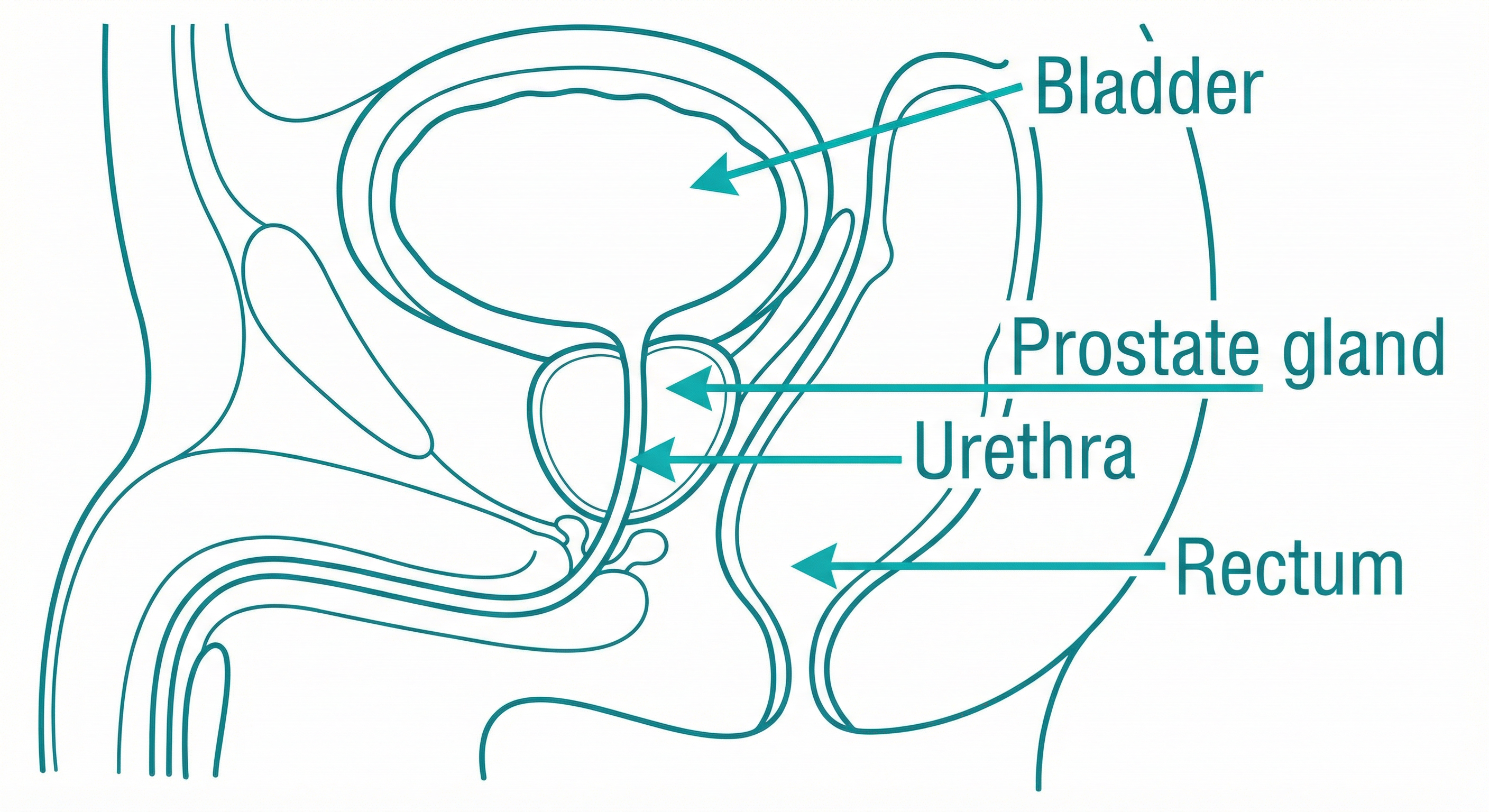
Functions
- Produces prostatic fluid: Makes up about 30% of semen, nourishes and protects sperm
- Muscle action: Helps propel semen during ejaculation
- Hormone processing: Converts testosterone to its active form (DHT)
Size Changes with Age
The prostate grows throughout life. It's about the size of a walnut by age 20, but can grow to the size of a lemon or larger in older men. This growth is called benign prostatic hyperplasia (BPH).
Common Prostate Conditions
🔷 Benign Prostatic Hyperplasia (BPH)
What it is: Non-cancerous enlargement of the prostate that commonly occurs with aging.
Who it affects: About 50% of men over 50, 90% of men over 80
- Frequent urination, especially at night
- Difficulty starting urination
- Weak urine stream
- Feeling of incomplete bladder emptying
- Dribbling after urination
Treatment: Lifestyle changes, medications, surgery if severe
🔴 Prostatitis
What it is: Inflammation of the prostate, can be bacterial or non-bacterial.
- Acute bacterial: Sudden, severe - fever, chills, pain, urinary symptoms
- Chronic bacterial: Recurrent infections
- Chronic pelvic pain syndrome: Most common type - pain without bacteria
Symptoms: Pelvic pain, painful urination, painful ejaculation, flu-like symptoms
Treatment: Antibiotics (if bacterial), anti-inflammatories, alpha-blockers, physical therapy
⚠️ Prostate Cancer
What it is: Cancer that develops in the prostate gland. Second most common cancer in men worldwide.
Risk factors:
- Age (risk increases after 50)
- Family history
- Obesity
- Diet high in red meat/dairy
Early detection: Often has no early symptoms - screening is important
Warning Signs
See a doctor if you experience:
Blood in urine or semen
Painful urination or ejaculation
Frequent night urination
Weak or interrupted urine flow
Pain in lower back, hips, or pelvis
Difficulty achieving erection
Don't Ignore Symptoms
Many men avoid discussing urinary or sexual symptoms due to embarrassment. Early detection of prostate problems leads to better outcomes. Don't delay seeking help.
Screening & Testing
PSA Test (Prostate-Specific Antigen)
A blood test that measures PSA levels. Higher levels may indicate prostate problems (not necessarily cancer).
- Discuss with your doctor whether screening is right for you
- Generally considered for men over 50 (or 40-45 with risk factors)
- Elevated PSA doesn't always mean cancer
- Factors like age, infection, and BPH can raise PSA
Digital Rectal Exam (DRE)
Doctor inserts a gloved, lubricated finger into the rectum to feel the prostate for abnormalities.
- Takes only a few seconds
- May feel uncomfortable but shouldn't be painful
- Can detect lumps, hard areas, or enlargement
Screening Guidelines
Discuss prostate cancer screening with your doctor starting at age 50 (or 40-45 if you have risk factors like family history). The decision to screen should be informed and individualized.
Prostate & Sexual Health
The prostate plays a role in sexual function and pleasure:
The "Male G-Spot"
The prostate can be a source of sexual pleasure when stimulated. It's sometimes called the "P-spot." Some men experience intense pleasure or orgasm from prostate stimulation.
Prostate Health & Sexual Function
- Ejaculation: The prostate contracts during orgasm to help propel semen
- BPH treatments: Some medications can cause retrograde ejaculation or reduced libido
- Prostatitis: Can cause painful ejaculation
- Prostate surgery: May affect erectile function and ejaculation
Ejaculation & Prostate Health
Some research suggests that frequent ejaculation (21+ times per month) may reduce prostate cancer risk. While not definitive, there's no harm in regular sexual activity for prostate health.
Maintaining Prostate Health
🥗 Diet
Eat plenty of fruits, vegetables, and whole grains. Limit red meat and high-fat dairy. Foods potentially beneficial: tomatoes (lycopene), cruciferous vegetables, green tea, fatty fish.
🏃 Exercise
Regular physical activity may reduce prostate cancer risk and help manage BPH symptoms. Aim for 30 minutes most days.
⚖️ Healthy Weight
Obesity is linked to increased prostate cancer risk and more aggressive disease. Maintain a healthy BMI.
🚭 Avoid Smoking
Smoking may increase risk of aggressive prostate cancer and worsen BPH symptoms.
🩺 Regular Check-ups
Discuss prostate health with your doctor, especially after age 50 or earlier if you have risk factors.
💧 Stay Hydrated (But Smart)
Drink plenty of water, but limit fluids before bedtime if night urination is an issue. Limit caffeine and alcohol.
Common Questions
Does sex affect prostate health?
Regular sexual activity (including masturbation) may have protective effects. It keeps the prostate active and may reduce risk of cancer. There's no harm in normal sexual activity.
Can I prevent prostate cancer?
There's no guaranteed prevention, but healthy lifestyle choices (diet, exercise, weight management) may reduce risk. Early detection through screening improves outcomes.
Is prostate exam painful?
A digital rectal exam is uncomfortable but shouldn't be painful. It takes only seconds. The brief discomfort is worth the health benefits.
What age should I start worrying about prostate health?
Prostate issues become more common after 50, but awareness should start earlier. Discuss screening with your doctor starting at 50 (or 40-45 with risk factors).