In India, many women enter marriage without adequate knowledge about physical intimacy. This lack of information can lead to anxiety, discomfort, and misunderstandings. This guide aims to provide clear, medically accurate information to help you understand your body and have a healthy intimate life.
Understanding the Basics
Sexual intercourse is a natural part of human relationships. Understanding the physical and emotional aspects helps create a positive experience for both partners.
What to Know
- It's a shared experience: Good intimacy involves both partners' comfort and pleasure
- Communication is key: Talking openly with your partner about likes, dislikes, and boundaries is essential
- There's no "normal": Every couple is different. What works for others may not work for you, and that's okay
- It can improve over time: Understanding each other's bodies takes time. Don't expect perfection immediately
Want to Understand the Physiology?
Learn what happens in the body during each stage of sexual activity with detailed anatomical diagrams.
View Stages of Intercourse Guide →First Time Intimacy
Many newly married women have concerns about their first intimate experience. Here's what you should know:
Before
- Relax: Anxiety can cause physical tension. Take your time - there's no rush
- Communicate: Share your feelings and concerns with your partner
- Create comfort: A relaxed environment helps reduce nervousness
- No pressure: It's okay to wait until you feel ready, even after marriage
Common Concerns
Will it hurt?
- Some discomfort is possible initially
- Adequate foreplay reduces discomfort
- Using lubricant can help significantly
- Severe pain is not normal - consult a doctor
Will there be bleeding?
- Some women experience light bleeding, many don't
- The hymen varies greatly between women
- Bleeding (or not) doesn't indicate anything about you
- Heavy bleeding needs medical attention
Important Note
The presence or absence of bleeding has no connection to virginity or character. This is a common myth that causes unnecessary anxiety. Every woman's body is different.
Understanding Physical Response
Knowing how your body responds helps you have a more comfortable and enjoyable experience.
The Physical Response Cycle
1. Desire
Mental interest and anticipation. This can be triggered by thoughts, touch, or emotional connection with your partner.
2. Arousal
Physical changes occur: increased blood flow, natural lubrication, heightened sensitivity. This stage is important and shouldn't be rushed.
3. Plateau
Arousal continues to build. Heart rate and breathing increase. This is when the body is most ready for intercourse.
4. Climax (Orgasm)
Peak of physical pleasure with rhythmic muscle contractions. Not every encounter needs to end in orgasm - that's normal too.
5. Resolution
Body gradually returns to normal state. This is a time for emotional connection and rest.
Key Takeaway
Adequate time for arousal (foreplay) is essential for comfort during intercourse. Rushing can cause discomfort. Women typically need more time than men to become fully aroused.
Tips for Comfort
Physical Comfort
- Foreplay matters: Adequate arousal leads to natural lubrication, making intercourse more comfortable
- Use lubricants: Water-based lubricants are safe and helpful, especially during initial experiences or if natural lubrication is insufficient
- Find comfortable positions: Start with positions where you feel more in control
- Go slow: There's no need to rush. Take breaks if needed
- Empty your bladder: Using the bathroom before helps prevent UTIs and increases comfort
Emotional Comfort
- Trust your partner: Emotional safety is as important as physical comfort
- Communicate during: It's okay to guide your partner or say if something is uncomfortable
- Don't compare: Forget movies and others' stories. Focus on what works for you
- It's okay to stop: You can pause or stop at any time if you're uncomfortable
Sexual Positions
Different positions offer different benefits - some provide more comfort, some more stimulation, and some are better suited for specific situations. There's no "right" position; it's about finding what works for you and your partner.
Missionary (Face-to-Face, Partner on Top)
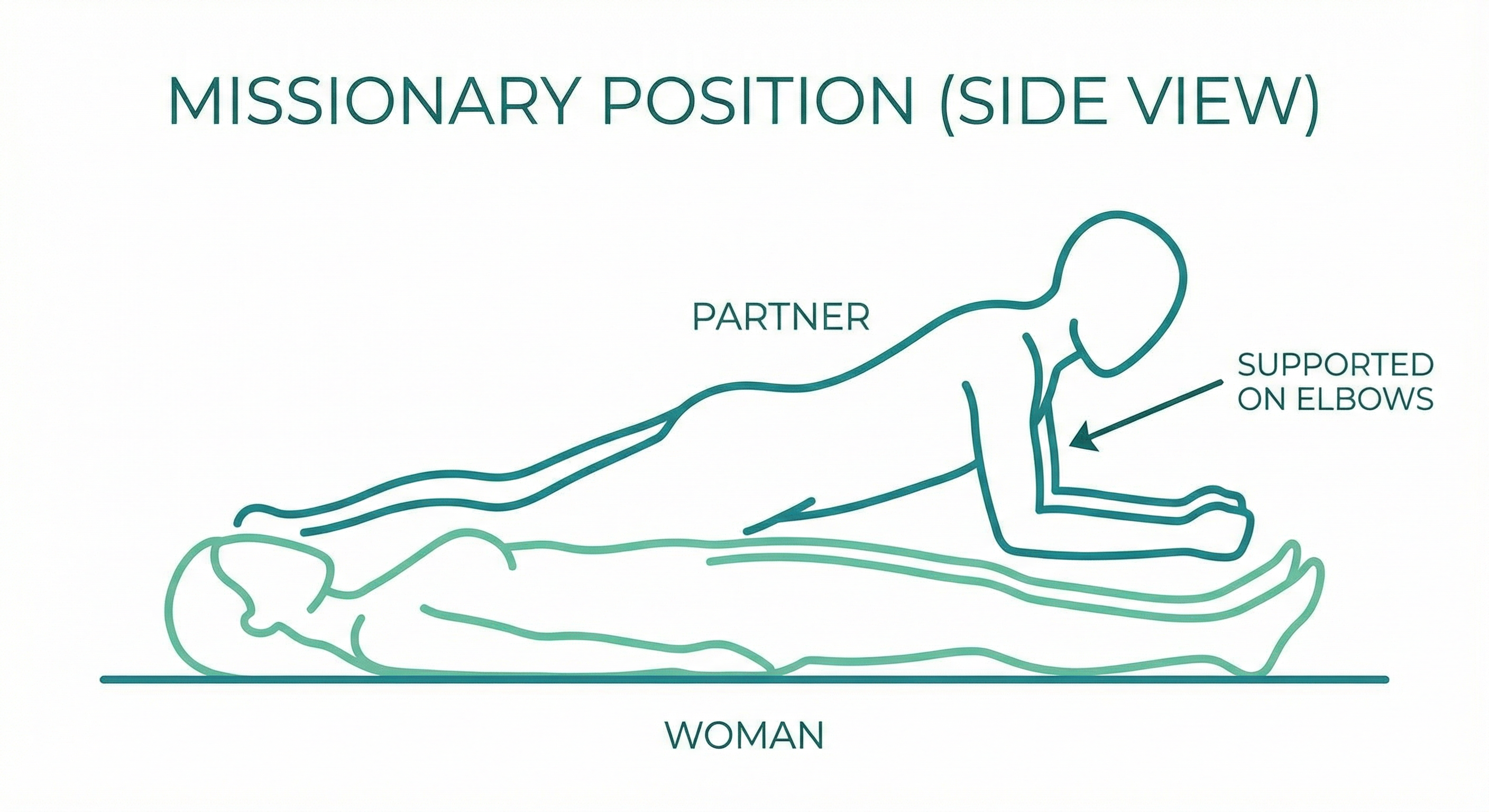
- Description: Woman lies on her back, partner positions on top
- Benefits: Allows eye contact and kissing, emotionally intimate, partner controls pace
- Good for: First-time experiences, emotional connection, conception (gravity assists)
- Variations: Pillow under hips for deeper angle, legs wrapped around partner
- Tip: Adding clitoral stimulation manually can enhance pleasure
Woman on Top
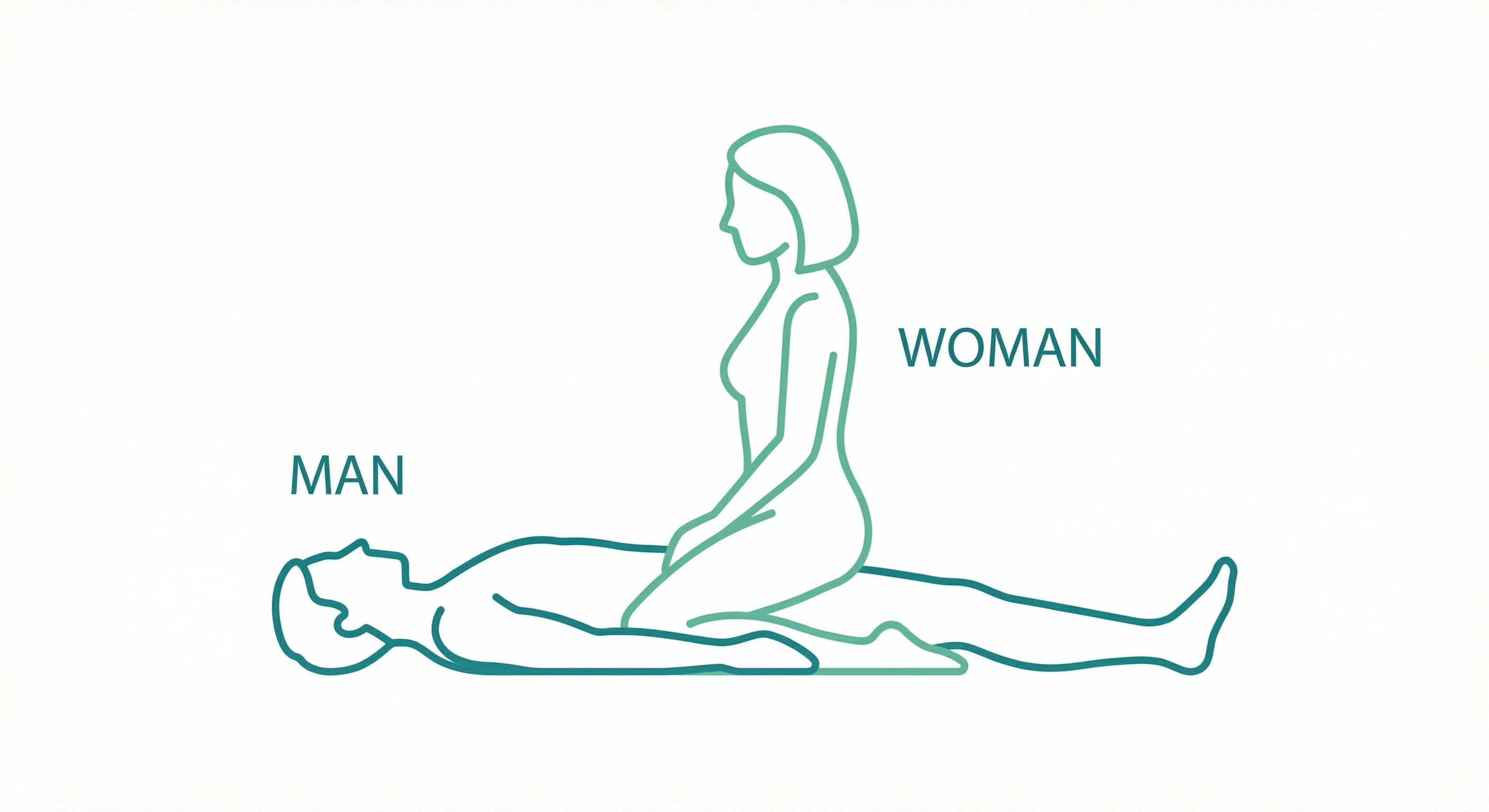
- Description: Woman straddles partner who lies on their back
- Benefits: Woman controls depth, angle, and pace; good for clitoral stimulation
- Good for: When woman wants more control, if partner is heavier, building confidence
- Variations: Facing forward, facing backward (reverse), leaning forward or sitting upright
- Tip: Leaning forward changes the angle and provides more clitoral contact
Side-by-Side (Spooning)

- Description: Both partners lie on their sides, partner behind
- Benefits: Very intimate, less physically demanding, good for slow pace
- Good for: Pregnancy (especially later stages), fatigue, after childbirth, gentle intimacy
- Variations: Facing each other, scissoring legs
- Tip: Allows easy access for clitoral stimulation by either partner
From Behind (Doggy Style)

- Description: Woman on hands and knees, partner enters from behind
- Benefits: Allows deeper penetration, can stimulate G-spot area
- Good for: Different sensations, if woman finds deep penetration pleasurable
- Considerations: May be too deep for some women - communicate about depth
- Tip: Lowering to forearms (head down) or standing variation changes the angle
Edge of Bed/Chair
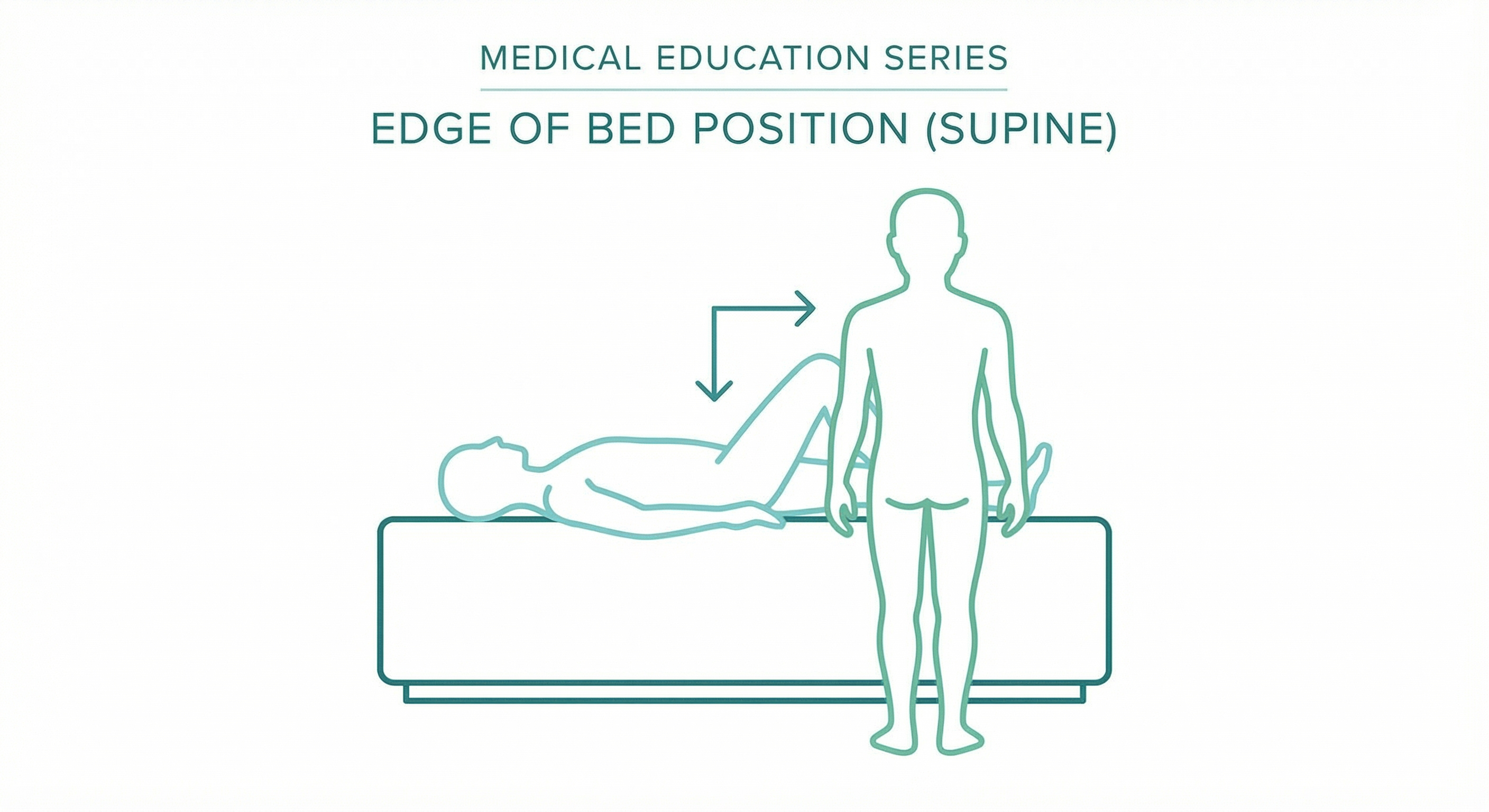
- Description: Woman lies at edge of bed or sits on chair/counter, partner stands
- Benefits: Good angle for G-spot stimulation, less strain on both partners
- Good for: Variety, when bed alone feels limiting, different heights
- Tip: Pillows can adjust height and angle for comfort
Seated
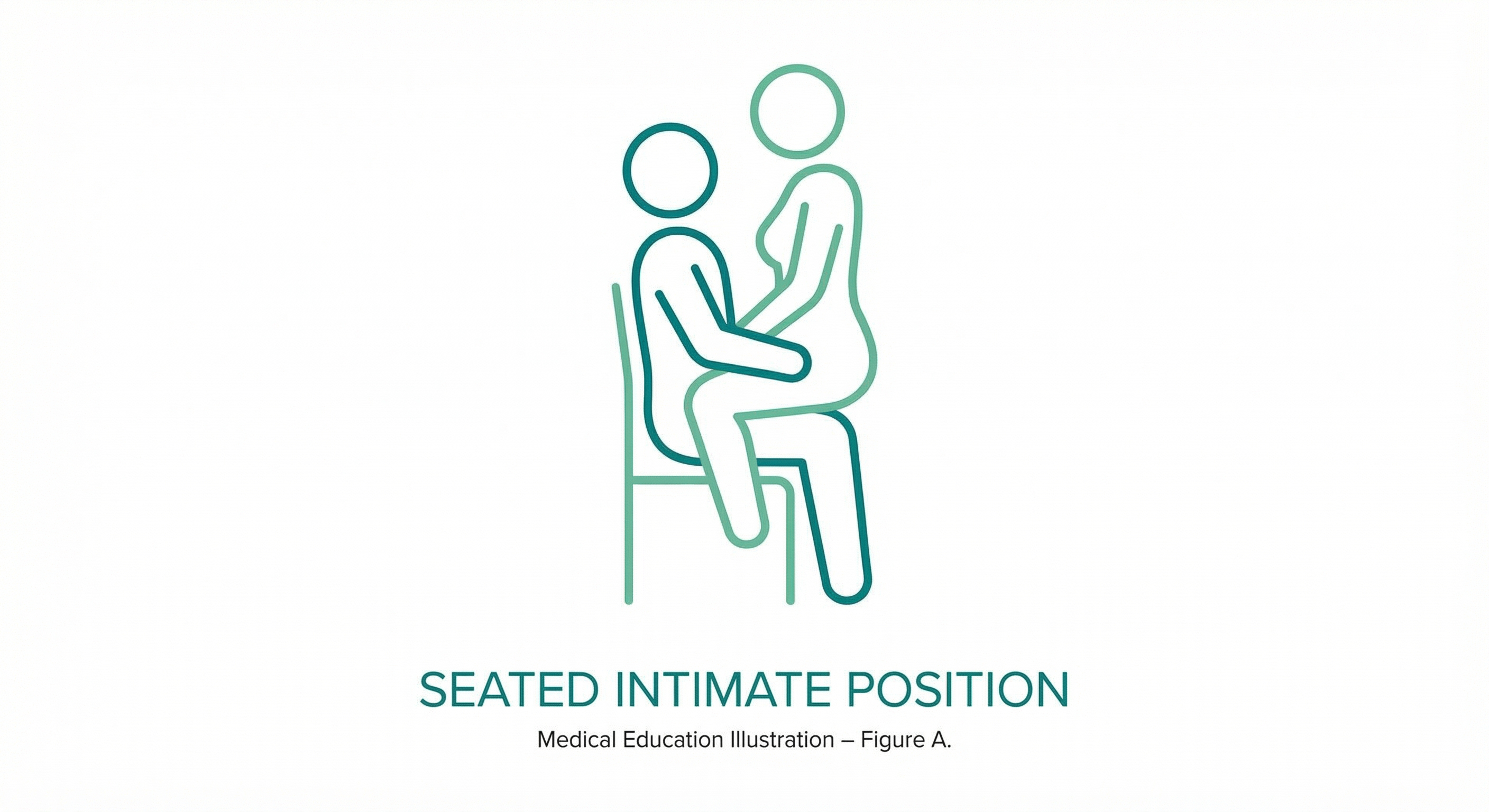
- Description: Partner sits (on bed, chair), woman sits facing on lap
- Benefits: Very intimate with face-to-face contact, woman controls movement
- Good for: Emotional connection, slow and intimate pace
- Variations: Facing toward or away from partner
Finding What Works
Don't be afraid to experiment and communicate. What looks good in media may not feel good in reality, and vice versa. The best position is one where both partners are comfortable and enjoying themselves.
Oral Intimacy Positions
Oral intimacy (cunnilingus for women, fellatio for men) is a normal and healthy part of sexual expression for many couples. Different positions can enhance comfort and pleasure for both partners.
Important Notes
Oral sex is generally safe, but STIs can still be transmitted. Using dental dams or condoms provides protection. Good hygiene before intimacy is appreciated by both partners.
Classic Position (Lying Back)

- Description: Woman lies on her back, partner positions between her legs
- Benefits: Woman can fully relax, easy access, comfortable for longer sessions
- Good for: Most situations, allows woman to focus on sensations
- Variations: Pillow under hips for better angle, legs over partner's shoulders
- Tip: Communication about pressure, speed, and location enhances pleasure
Woman on Top (Face-Sitting)
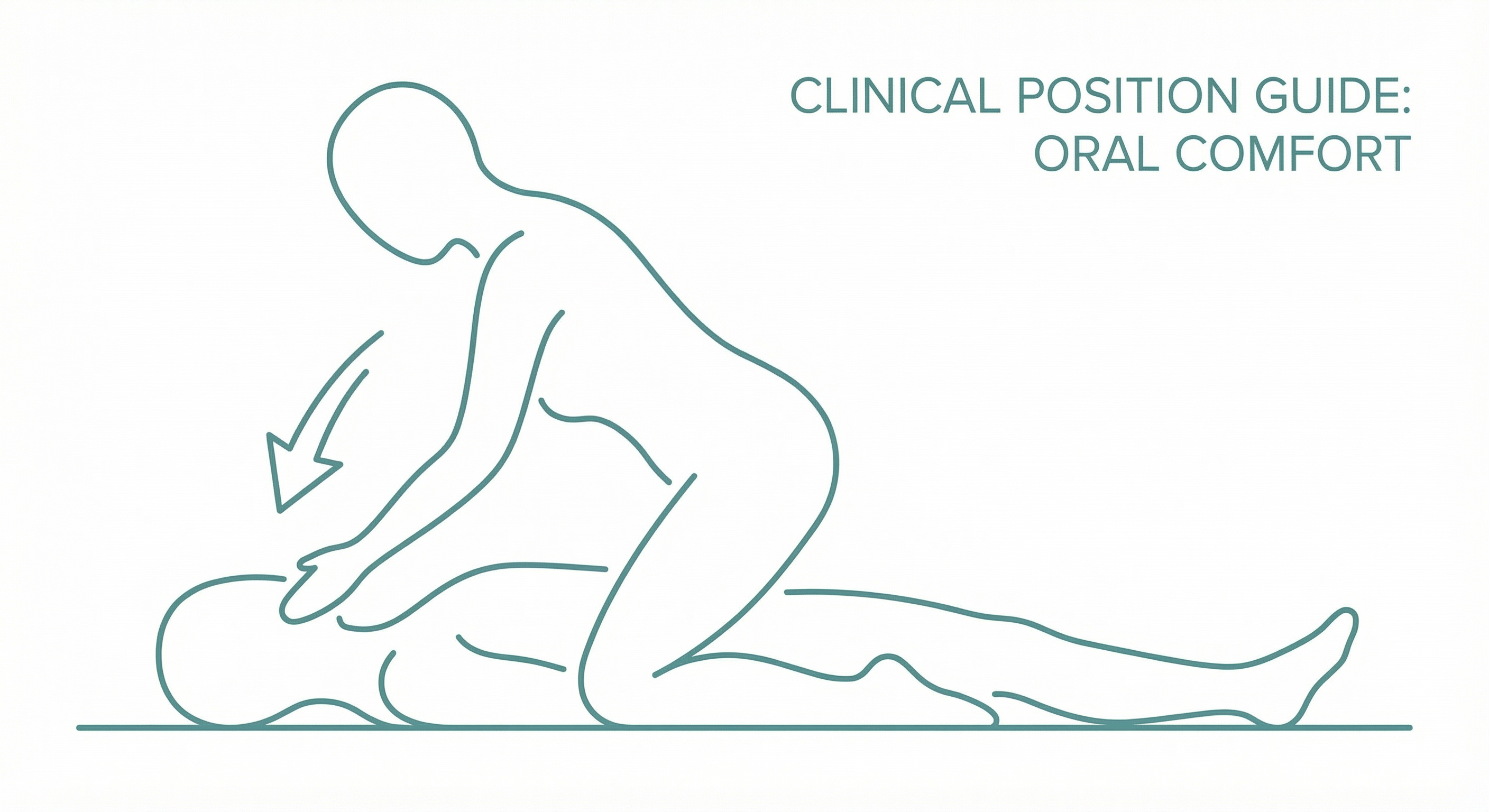
- Description: Partner lies on back, woman kneels/sits above partner's face
- Benefits: Woman controls pressure, angle, and movement; can be very pleasurable
- Good for: When woman wants more control, can combine with manual stimulation
- Considerations: Some women feel self-conscious initially - communication helps
- Tip: Woman can hold onto headboard or wall for support and balance
Mutual Oral (69 Position)
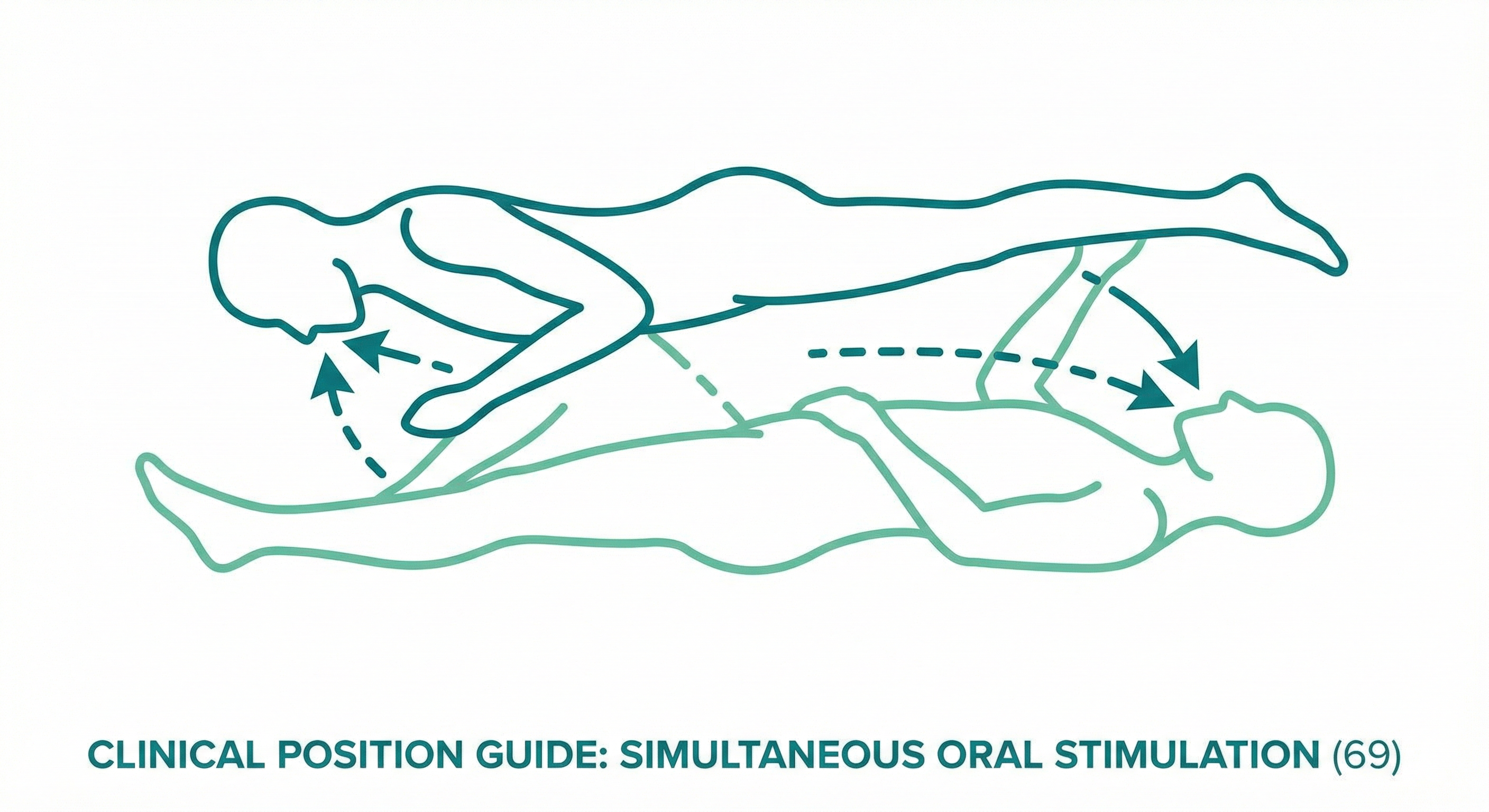
- Description: Partners lie in opposite directions, each providing oral stimulation simultaneously
- Benefits: Mutual pleasure at the same time, intimate and connected
- Variations: Side-by-side (more comfortable), one partner on top
- Considerations: Can be distracting - hard to focus on giving and receiving
- Tip: Take turns being "active" - one focuses on giving while other receives
Edge of Bed (Oral)
- Description: Woman lies at edge of bed, partner kneels on floor between her legs
- Benefits: Good angle, comfortable for partner's neck, easy access
- Good for: Longer oral sessions without neck strain for partner
- Tip: Pillow under woman's hips can improve the angle
Enhancing Oral Intimacy
- Communication is key - guide your partner on what feels good
- Freshening up beforehand shows consideration
- Don't rush - building up slowly often leads to more intense pleasure
- Combining oral with manual stimulation can enhance sensations
- It's okay to not orgasm from oral - enjoy the intimacy itself
Positions for Specific Situations
During Pregnancy
As pregnancy progresses, comfort becomes the priority. Avoid positions that put pressure on the belly.
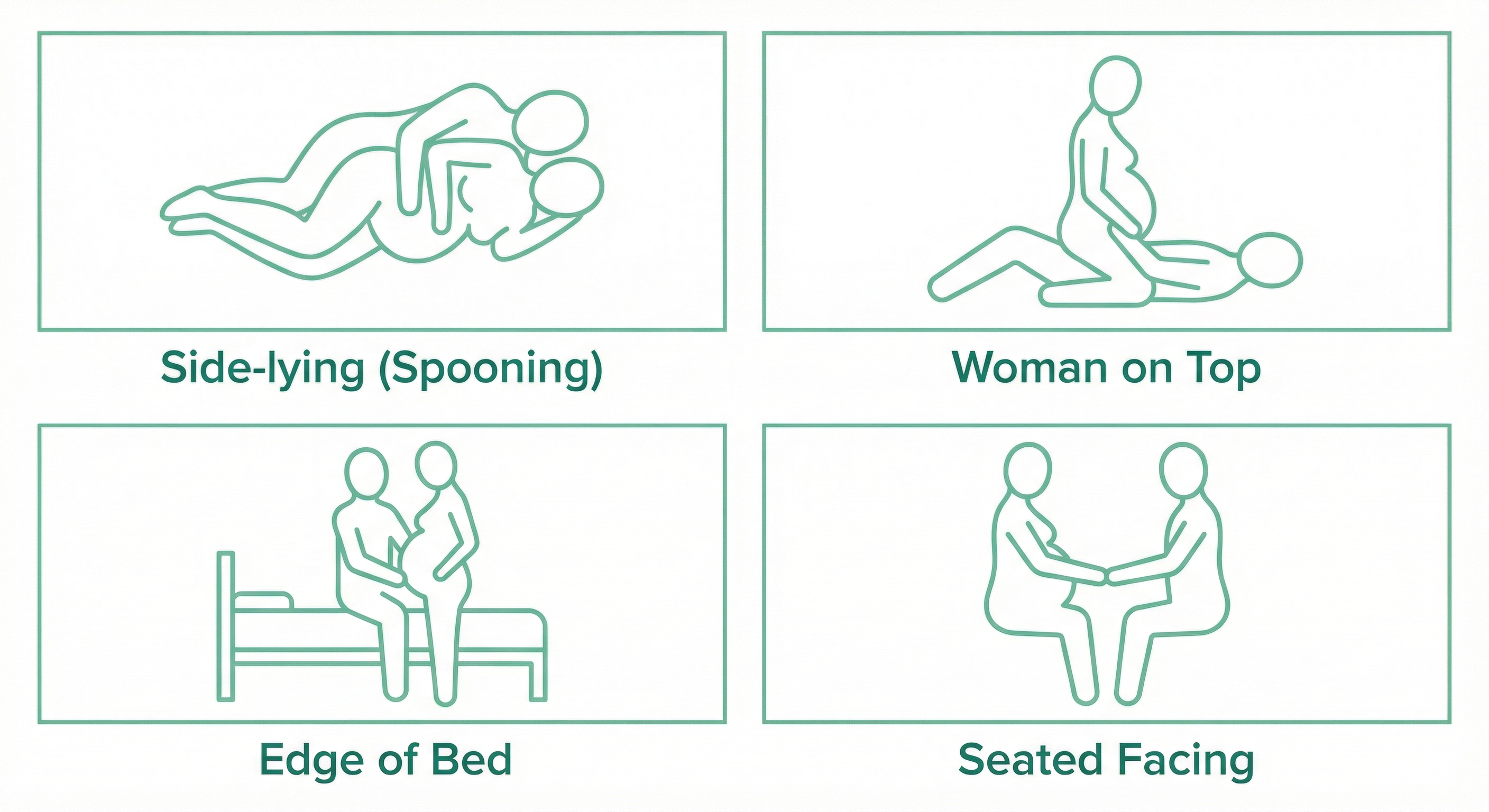
Comfortable positions during pregnancy
- Best options: Side-lying (spooning), woman on top, from behind (modified), edge of bed
- Avoid: Lying flat on back after first trimester (can compress blood vessels)
- First trimester: Most positions still comfortable
- Second trimester: Woman on top or side positions work well
- Third trimester: Side-lying (spooning) is often most comfortable
- Use pillows: Support belly and knees for added comfort
If Experiencing Pain
Certain positions may be more comfortable if you experience discomfort during intercourse.
- For pain with deep penetration: Woman on top (control depth), spooning, face-to-face lying down
- For entry pain: More foreplay, lots of lubricant, woman on top to control pace
- For back pain: Side-lying, supported positions with pillows
- For hip/joint pain: Positions that don't require wide leg spreading
- General tip: Start slowly, use pillows for support, communicate throughout
After Childbirth
- Wait until cleared by your doctor (usually 6 weeks)
- Recommended: Woman on top (control), side-lying (gentle)
- Use plenty of lubricant (dryness is common, especially if breastfeeding)
- Start very slowly and gently
- Communicate if anything feels uncomfortable
During Menopause
- Vaginal dryness is common - lubricant is essential
- Positions where woman controls depth and pace are helpful
- Recommended: Woman on top, side-lying, face-to-face
- May need more time for arousal
- Focus on comfort over acrobatics
For Conception
While no position is scientifically proven to increase conception chances, some believe these help:
- Missionary or variations with hips elevated
- From behind (deeper penetration near cervix)
- Lying down for 10-15 minutes after (optional, not proven but doesn't hurt)
- Most important: Timing with ovulation matters more than position
For Clitoral Stimulation
Most women need clitoral stimulation to orgasm. Positions that allow this:
- Woman on top: Leaning forward allows grinding/contact
- Coital Alignment Technique (CAT): Modified missionary where partner shifts upward for more contact
- Side-lying: Easy manual access for either partner
- Any position + hands: Either partner can provide manual stimulation
Communication is Key
Don't hesitate to guide your partner, suggest changes, or try something new. Good intimacy involves ongoing communication about what feels good.
Common Issues & Solutions
Pain During Intercourse
When to Seek Help
Persistent pain during intercourse is not normal and should be evaluated by a gynecologist. Don't suffer in silence - most causes are treatable.
Possible causes:
- Insufficient arousal: More foreplay and/or lubricant needed
- Vaginismus: Involuntary tightening of vaginal muscles (very treatable)
- Infections: Yeast infections, bacterial infections, or UTIs
- Dryness: Common during breastfeeding, menopause, or due to certain medications
- Medical conditions: Endometriosis, fibroids, or ovarian cysts
Difficulty with Orgasm
- Many women don't orgasm from intercourse alone - this is completely normal
- Clitoral stimulation is often necessary
- Stress, anxiety, or fatigue can affect response
- Open communication with your partner helps
- Focus on overall intimacy rather than orgasm as the goal
Low Desire
- Hormonal changes (pregnancy, breastfeeding, menopause)
- Stress from work or family responsibilities
- Relationship issues
- Certain medications (some antidepressants, birth control)
- Fatigue - very common with Indian women managing multiple responsibilities
Contraception & Protection
Unless you're trying to conceive, discussing contraception is important.
Common Options
Barrier Methods
- Male condoms - also protect against STIs
- Female condoms
- Diaphragm
Hormonal Methods
- Birth control pills
- Hormonal IUD
- Injectable contraceptives
Long-Acting Methods
- Copper IUD (non-hormonal)
- Implants
Natural Methods
- Fertility awareness (less reliable)
- Withdrawal (less reliable)
Consult Your Doctor
The best contraception method depends on your health, lifestyle, and family planning goals. Schedule a consultation to discuss what's right for you.
After Intercourse
Good Practices
- Urinate within 30 minutes: Helps prevent urinary tract infections (UTIs)
- Gentle cleaning: Wash external areas with plain water. Avoid douching
- Stay hydrated: Drink water to flush out bacteria
- Wear loose clothing: Cotton underwear allows the area to breathe
What's Normal After
- Mild soreness (especially initially) - should resolve quickly
- Some discharge - semen will naturally exit
- Feeling sleepy or relaxed
- Emotional closeness
When to Be Concerned
- Persistent pain lasting more than a day
- Heavy bleeding
- Burning sensation while urinating (possible UTI)
- Unusual discharge with odor (possible infection)
Intimacy Through Life Stages
During Pregnancy
- Generally safe unless your doctor advises otherwise
- May need to try different positions as pregnancy progresses
- Some women experience increased desire, others decreased
- Avoid in case of: placenta previa, risk of preterm labor, or if water has broken
- Always check with your doctor about what's safe for your specific situation
After Childbirth
- Wait until cleared by your doctor (usually 6 weeks after delivery)
- Vaginal dryness is common due to breastfeeding hormones - use lubricant
- Start slowly and gently
- It's normal to feel different - your body has been through a lot
- Discuss contraception even if breastfeeding
During Menopause
- Vaginal dryness is very common - lubricants and vaginal estrogen help
- Changes in desire are normal but intimacy can continue
- May need more time for arousal
- Focus on overall intimacy, not just intercourse
- Regular intimate activity actually helps maintain vaginal health
Talking to Your Partner
Communication is perhaps the most important aspect of a healthy intimate relationship.
How to Communicate
- Choose the right time: Not during intimacy, but at a calm, private moment
- Use "I" statements: "I feel..." rather than "You don't..."
- Be specific: Vague hints often don't work
- Listen too: Your partner may also have concerns or needs
- Be patient: These conversations may feel awkward initially but get easier
Topics to Discuss
- What feels good and what doesn't
- Frequency that works for both
- Contraception preferences
- Any concerns or anxieties
- Ways to improve emotional connection
Remember
A fulfilling intimate life is built on mutual respect, understanding, and open communication. It's a journey you take together.
Related Topics
Have Questions or Concerns?
Schedule a confidential consultation. All discussions are private and judgement-free.
WhatsApp