Many men feel uncomfortable discussing penis health, even with doctors. However, understanding normal anatomy, proper hygiene, and recognizing signs of problems is essential for overall health and sexual wellbeing. This guide covers what every man should know.
Understanding Male Anatomy
Knowing the basic anatomy helps you understand how your body works and recognize when something might be wrong.
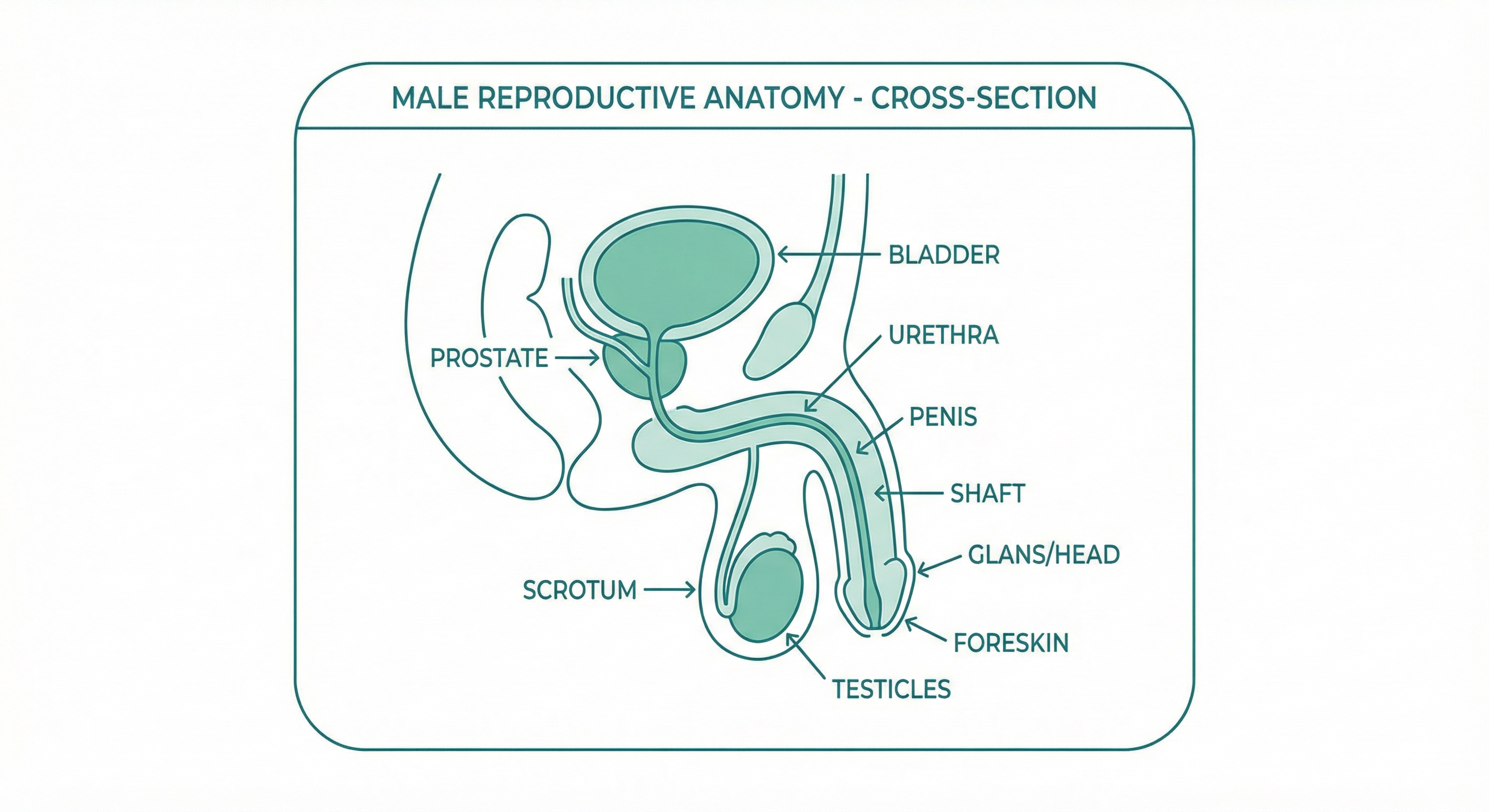
Male reproductive anatomy - cross-section view
Key Parts
- Glans (Head): The sensitive tip of the penis, covered by foreskin in uncircumcised men
- Shaft: The main body of the penis, containing erectile tissue
- Foreskin: Retractable skin covering the glans (removed in circumcision)
- Urethra: Tube through which urine and semen exit the body
- Testicles: Produce sperm and testosterone; located in the scrotum
- Scrotum: Skin sac holding the testicles, regulates temperature for sperm production
- Prostate: Gland that produces fluid for semen; located below the bladder
Did You Know?
The average penis contains about 4,000 nerve endings in the glans alone, making it highly sensitive. The testicles produce about 200-300 million sperm cells daily.
Size: What's Normal?
Penis size is one of the most common concerns among men, often due to unrealistic comparisons with pornography. Here are the medical facts:
| Measurement | Average Range | Notes |
|---|---|---|
| Flaccid Length | 7-10 cm (2.8-4 inches) | Varies significantly with temperature, arousal state |
| Erect Length | 12-16 cm (4.7-6.3 inches) | Medical average from multiple studies |
| Erect Girth | 11-13 cm (4.3-5.1 inches) | Circumference around the shaft |
Important Facts About Size
- Wide variation is normal: There's significant natural variation, all within healthy range
- "Growers" vs "Showers": Some penises expand significantly when erect, others less so - both are normal
- Size doesn't determine function: Sexual satisfaction depends far more on technique, communication, and emotional connection
- Pornography is misleading: Performers are often selected for size and camera angles exaggerate further
- Partner satisfaction: Studies show most partners are satisfied with their partner's size; concern is often one-sided
The Bottom Line
If your penis functions normally (urination, erection, ejaculation), size is not a medical concern. Focus on overall sexual health and communication with your partner rather than size comparisons.
Hygiene & Daily Care
Good hygiene prevents infections, odor, and maintains sexual health. Here's how to care for your genitals properly.
Daily Cleaning
- Wash daily: Clean the penis and scrotum with warm water during bathing
- Use mild soap: Gentle, unscented soap is best; avoid harsh chemicals
- Clean under foreskin: If uncircumcised, gently retract the foreskin and clean underneath to remove smegma (natural buildup)
- Dry thoroughly: Moisture can lead to fungal infections
- Wear clean underwear: Change daily; cotton breathes better than synthetic fabrics
Do
- Wash before and after sexual activity
- Keep pubic hair trimmed or clean
- Wear breathable underwear
- Change out of sweaty clothes promptly
- Stay hydrated (helps with urine health)
Don't
- Use harsh soaps or body washes on genitals
- Apply cologne/perfume to genitals
- Ignore persistent odor (may indicate infection)
- Force foreskin back if it's tight (see a doctor)
- Share towels or underwear
Circumcised vs. Uncircumcised Care
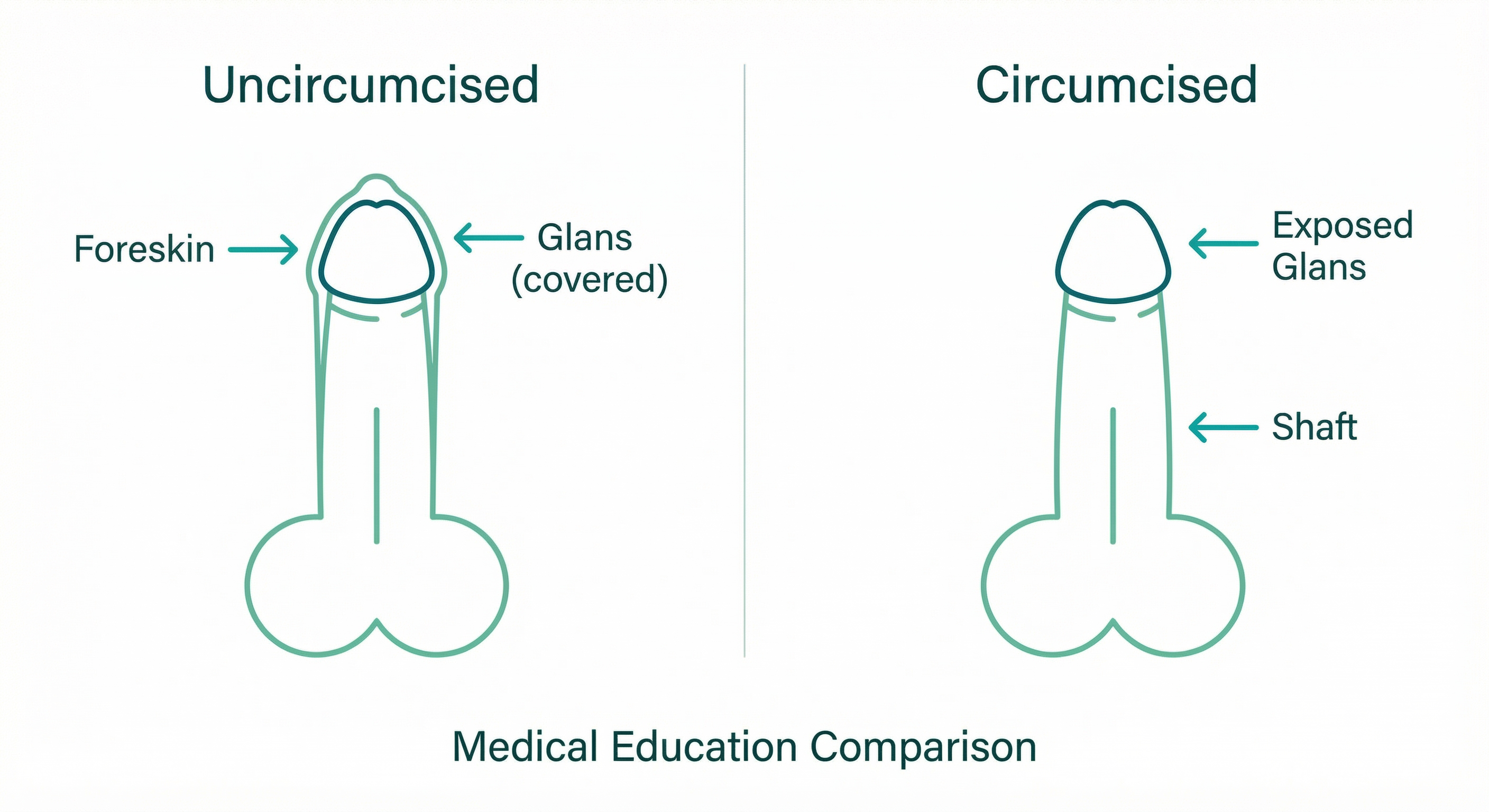
Anatomical comparison: Uncircumcised (with foreskin) vs Circumcised (foreskin removed)
Circumcised: Simpler cleaning as there's no foreskin to retract. Regular washing of the glans and shaft is sufficient.
Uncircumcised: Requires daily cleaning under the foreskin to prevent smegma buildup, which can cause odor and irritation. Gently retract, clean, rinse, and return foreskin to normal position.
Understanding Erections
Erections are a normal physiological response involving blood flow, nerves, and hormones working together.
How Erections Work
- Stimulation: Physical touch or mental arousal sends signals to the brain
- Nerve signals: Brain sends signals through the spinal cord to the penis
- Blood flow: Arteries in the penis dilate, filling erectile tissue with blood
- Engorgement: Blood is trapped in the erectile chambers, causing rigidity
- Release: After orgasm or when arousal fades, blood drains and penis becomes flaccid
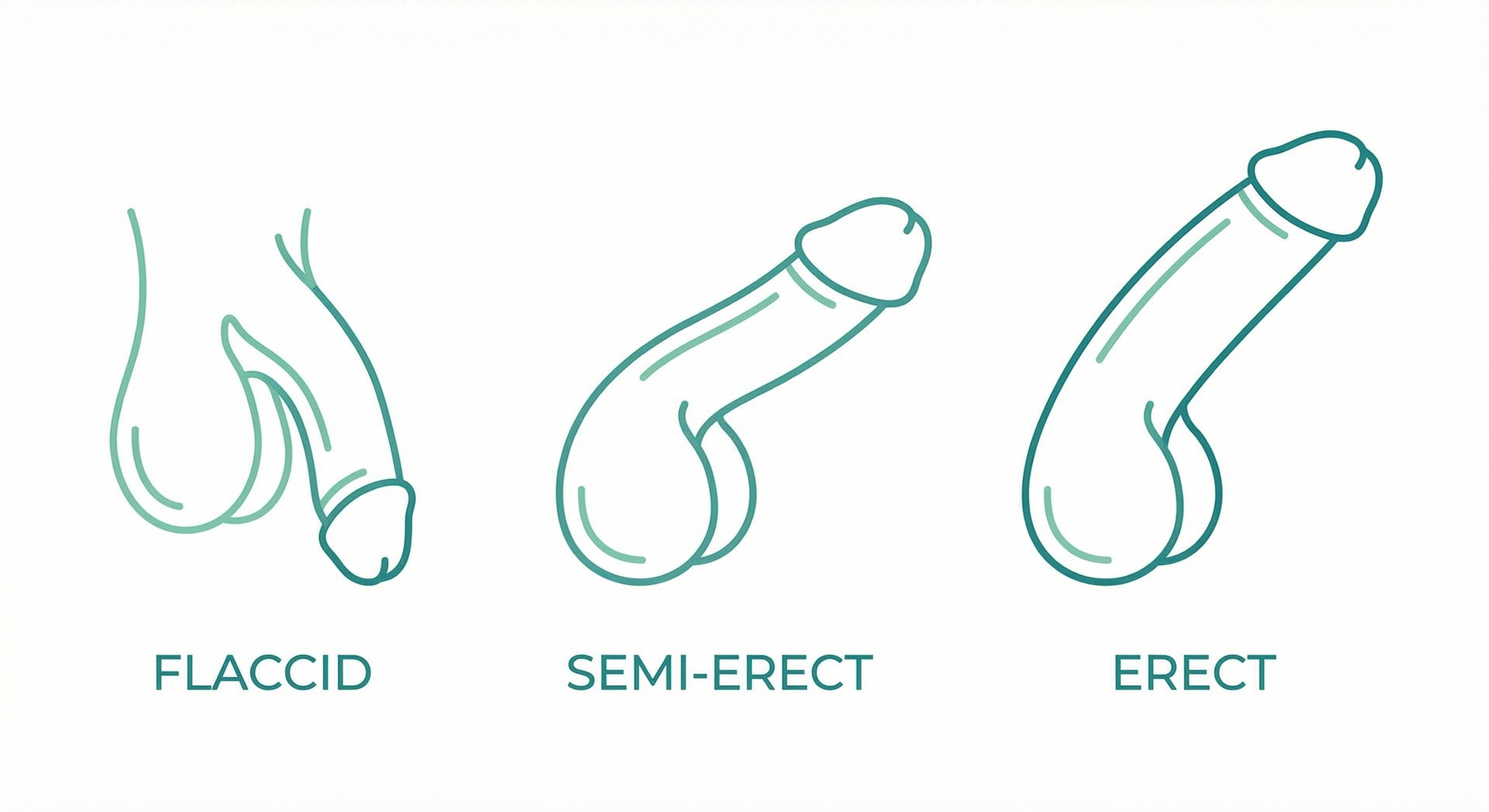
The three states: Flaccid (soft), Semi-erect (partially firm), and Erect (fully firm)
Normal Erection Facts
- Morning erections: Normal and healthy; occur during REM sleep (3-5 times per night)
- Random erections: Common in younger men; not always related to sexual thoughts
- Erection angle: Varies from pointing down to straight up - all normal
- Slight curve: A mild curve (Peyronie's mild cases) is common and usually not problematic
- Firmness varies: Erections may be harder or softer depending on arousal level, fatigue, alcohol, etc.
When to See a Doctor
Consult a doctor if you experience: consistent difficulty getting or maintaining erections, painful erections, erection lasting more than 4 hours (priapism - emergency), or sudden change in erectile function.
Erectile Dysfunction (ED)
ED is the inability to get or maintain an erection firm enough for sexual intercourse. It's more common than you might think and is usually treatable.
Causes of ED
Physical Causes
- Heart disease & high blood pressure
- Diabetes (damages blood vessels)
- Obesity
- High cholesterol
- Hormonal imbalances (low testosterone)
- Certain medications
- Smoking & alcohol use
- Prostate problems or surgery
Psychological Causes
- Stress and anxiety
- Depression
- Performance anxiety
- Relationship problems
- Past sexual trauma
- Pornography-induced ED
- Low self-esteem
Treatment Options
- Lifestyle changes: Exercise, healthy diet, quit smoking, limit alcohol
- Medications: PDE5 inhibitors (Sildenafil/Viagra, Tadalafil/Cialis) - require prescription
- Therapy: For psychological causes, counseling can be very effective
- Treating underlying conditions: Managing diabetes, heart disease, etc.
- Vacuum devices: Mechanical aids to achieve erection
- Injections/implants: For severe cases that don't respond to other treatments
Important Note
Occasional difficulty with erections is normal and not ED. ED is diagnosed when problems are persistent (occurring more than 50% of the time). Don't self-medicate - see a doctor for proper evaluation and safe treatment.
Common Penis Conditions
Several conditions can affect the penis. Knowing what to look for helps you seek timely treatment.
Phimosis
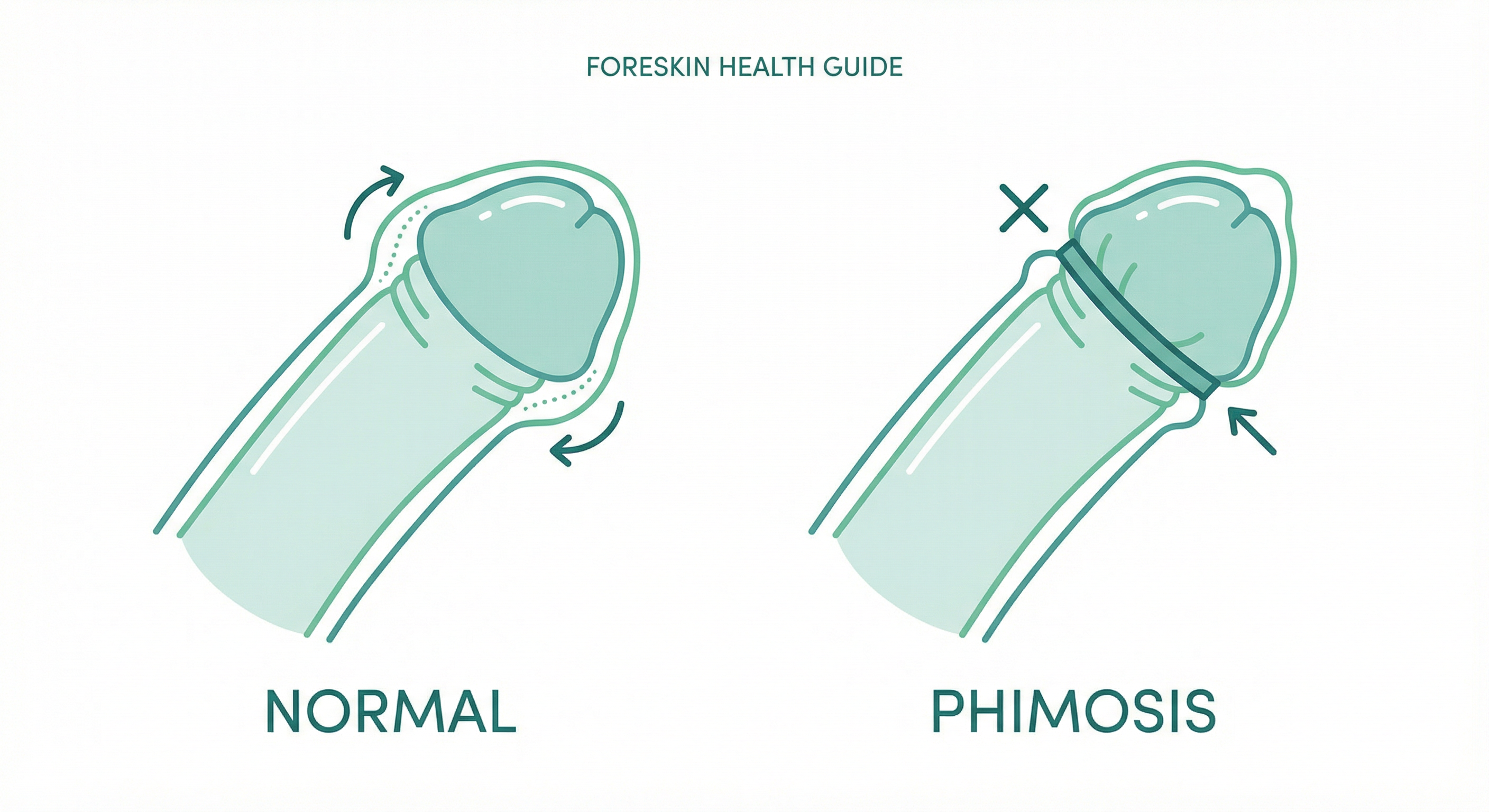
Normal foreskin retraction vs Phimosis (tight foreskin that cannot retract)
- What: Foreskin is too tight to retract over the glans
- Symptoms: Difficulty or pain when retracting foreskin, ballooning during urination
- Treatment: Steroid creams, gentle stretching exercises, or circumcision if severe
Paraphimosis
- What: Retracted foreskin gets stuck behind the glans and can't return
- Symptoms: Swelling, pain, foreskin stuck in retracted position
- Treatment: Medical emergency - seek immediate help to prevent tissue damage
Balanitis
- What: Inflammation of the glans, often with foreskin involvement
- Symptoms: Redness, swelling, itching, discharge, pain
- Causes: Poor hygiene, infections (yeast, bacterial), skin conditions
- Treatment: Improved hygiene, antifungal/antibiotic creams, treating underlying cause
Peyronie's Disease
- What: Scar tissue causes penis to curve abnormally when erect
- Symptoms: Significant bend in erect penis, pain, difficulty with intercourse
- Treatment: Medications, injections, or surgery depending on severity
Fordyce Spots
- What: Small, painless white or yellowish bumps on the shaft
- Important: These are normal sebaceous glands, NOT an STI
- Treatment: None needed - they're harmless and common
Pearly Penile Papules
- What: Small, dome-shaped bumps around the corona (edge of glans)
- Important: These are normal anatomical variation, NOT an STI
- Treatment: None needed - they're harmless
Sexually Transmitted Infections (STIs)
STIs can affect the penis and overall health. Prevention, recognition, and treatment are essential.
Common STIs Affecting the Penis
- Chlamydia: Often no symptoms; may cause discharge, burning urination
- Gonorrhea: Yellow/green discharge, painful urination
- Genital Herpes: Painful blisters or sores that recur
- Genital Warts (HPV): Flesh-colored bumps; some HPV types cause cancer
- Syphilis: Painless sore (chancre) initially; progresses if untreated
- HIV: No penis-specific symptoms; affects immune system
Prevention
- Condoms: Highly effective when used correctly every time
- Regular testing: Especially with new partners or multiple partners
- HPV vaccine: Recommended for men up to age 26 (can be given up to 45)
- Communication: Discuss STI status with partners
- Limit partners: Fewer partners = lower risk
See a Doctor If You Notice
- Any unusual discharge from the penis
- Sores, blisters, or warts on genitals
- Pain or burning during urination
- Rash on or around the genitals
- Swollen lymph nodes in the groin
Premature Ejaculation
Premature ejaculation (PE) is when ejaculation occurs sooner than desired, often with minimal stimulation. It's the most common male sexual dysfunction.
What's Considered "Premature"?
- Medically: Ejaculation within 1-2 minutes of penetration consistently
- Practically: When it causes distress to you or your partner
- Average time to ejaculation: 5-7 minutes (varies widely)
Causes
- Psychological: Anxiety, stress, relationship issues, early sexual experiences
- Biological: Hormonal imbalances, inflammation, nerve sensitivity
- Behavioral: Masturbation habits, infrequent sex
Management Techniques
- Start-Stop Method: Stop stimulation when close to ejaculation, wait, then resume
- Squeeze Technique: Partner squeezes base of penis when close to orgasm
- Masturbate beforehand: May reduce sensitivity during intercourse
- Thicker condoms: Reduce sensation slightly
- Desensitizing products: Numbing sprays/creams (use carefully)
- Pelvic floor exercises: Strengthen muscles for better control
- Medications: SSRIs, topical anesthetics (prescription)
Remember
PE is very common and treatable. Communication with your partner and patience with yourself are key. Focus on overall intimacy rather than just penetration duration.
Masturbation: Facts & Health
Masturbation is a normal, healthy sexual activity practiced by people of all ages. Despite cultural taboos, especially in India, medical science confirms it's a natural part of human sexuality with several health benefits.
Medical Perspective
Masturbation is considered normal and healthy by medical professionals worldwide. It does NOT cause weakness, vision problems, infertility, or any of the myths commonly circulated. These are outdated misconceptions with no scientific basis.
Health Benefits
- Stress relief: Releases endorphins and reduces cortisol (stress hormone)
- Better sleep: The relaxation after orgasm can help with falling asleep
- Prostate health: Regular ejaculation may reduce risk of prostate issues
- Sexual function: Helps maintain erectile function and understand your body
- Pain relief: Endorphin release can help with headaches and body pain
- Mood improvement: Releases dopamine and oxytocin, improving mood
- Safe sex: Zero risk of STIs or pregnancy
Common Techniques
1. Full Grip (Most Common)
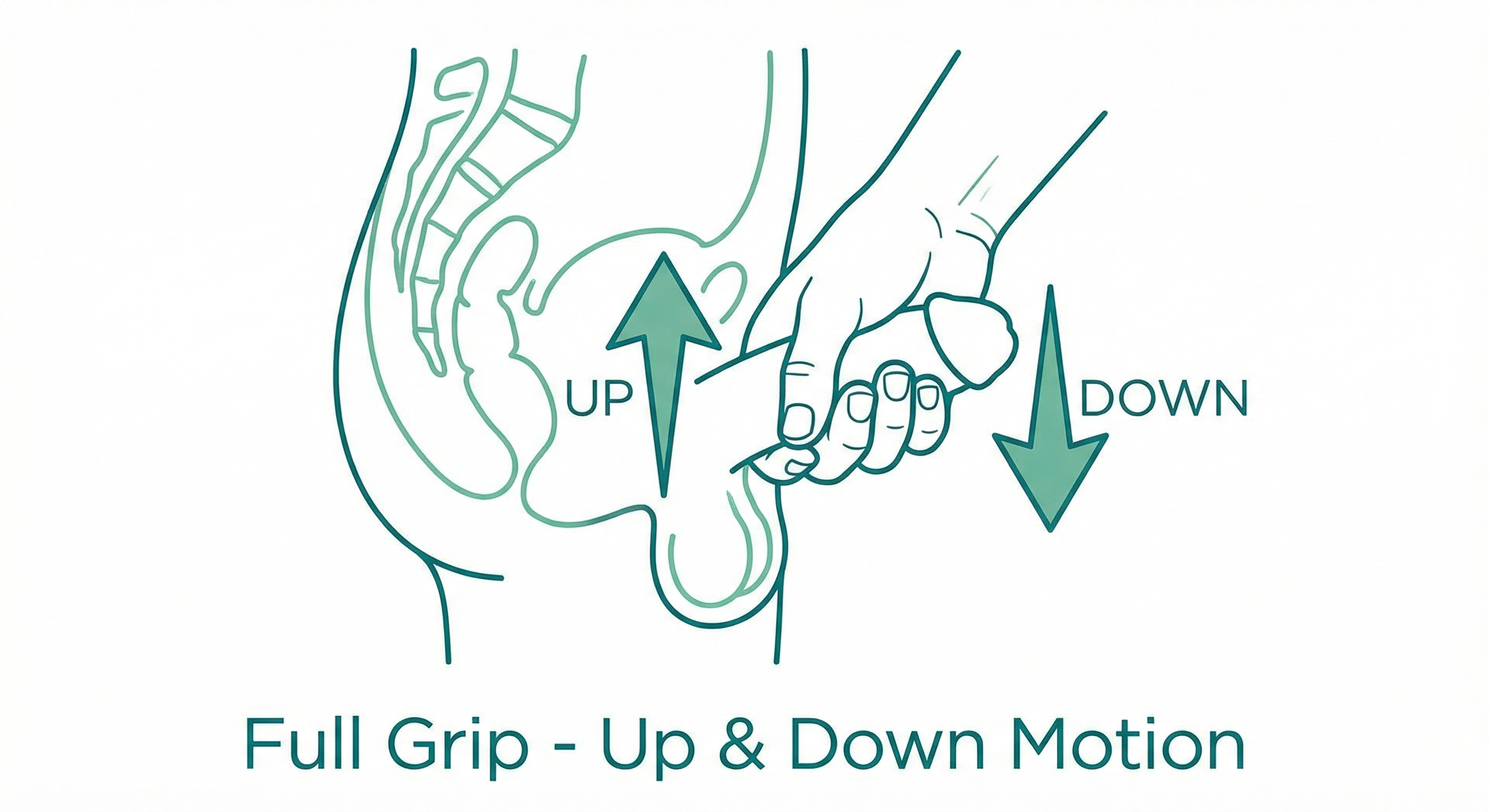
- Wrap entire hand around the shaft
- Move hand up and down in a stroking motion
- Vary speed and pressure to find what feels best
- Can twist slightly while stroking for added sensation
2. Ring Grip
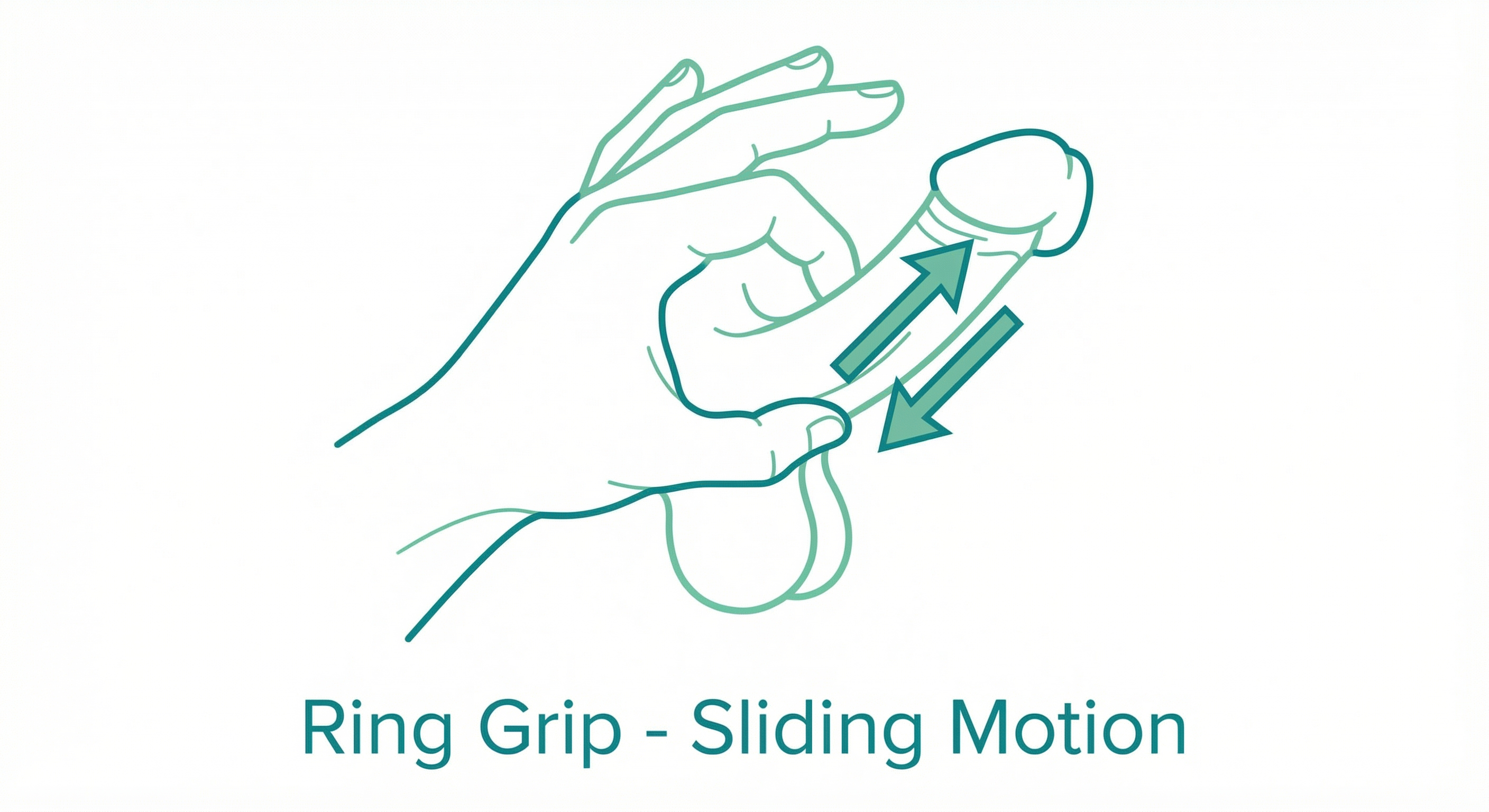
- Form an "OK" sign with thumb and index finger
- Slide the ring up and down the shaft
- Lighter pressure than full grip - good for building up
- Can add more fingers gradually for increased sensation
3. Palm Technique
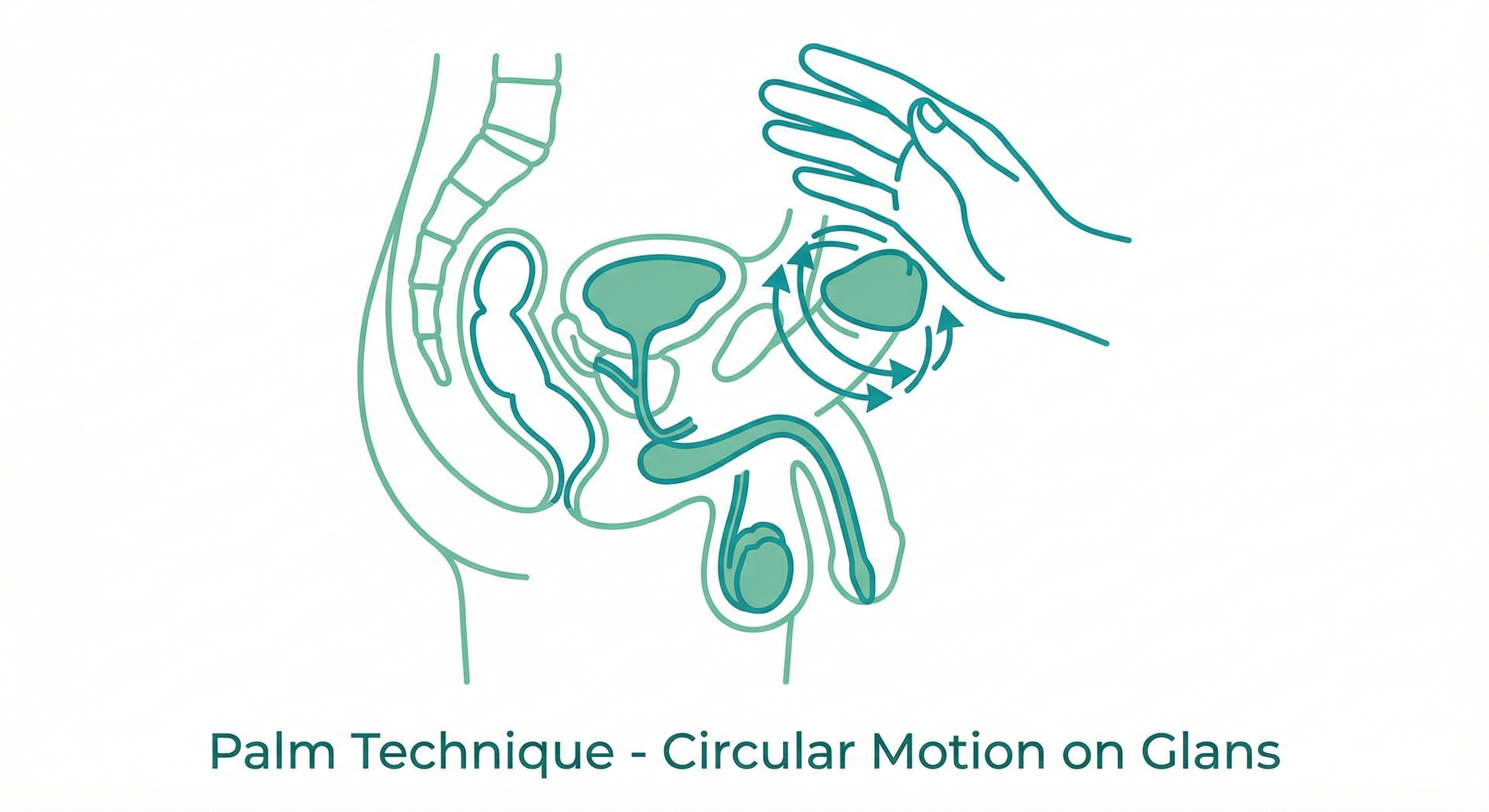
- Place open palm over the glans (head)
- Rub in circular motions
- Very intense sensation - best with lubricant
- Good for finishing or when close to orgasm
4. Frenulum Focus
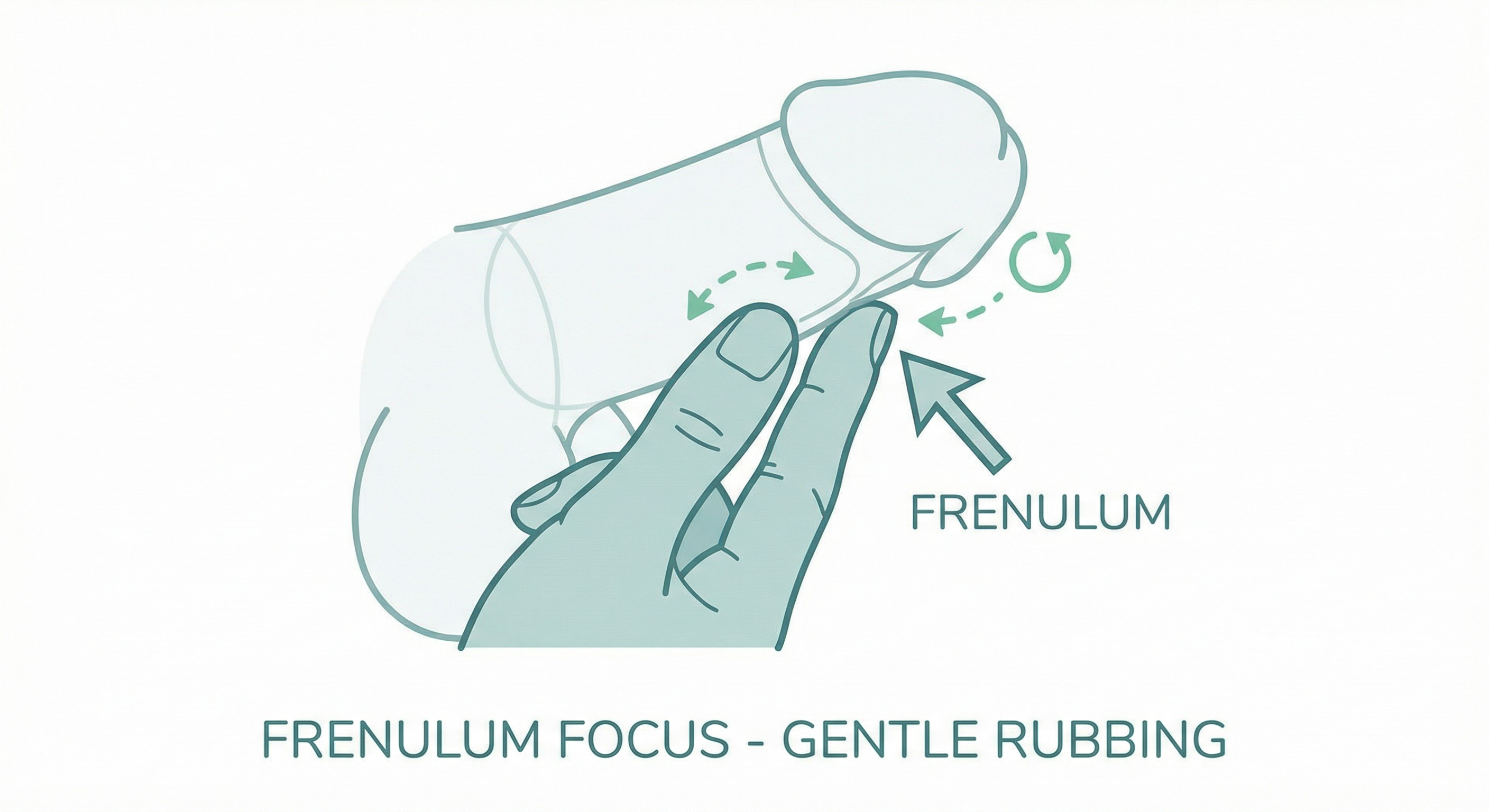
- The frenulum is the sensitive V-shaped area on the underside where glans meets shaft
- Use one or two fingers to gently rub this area
- Small, gentle circular or back-and-forth motions
- Highly sensitive - can produce intense pleasure
5. Two-Handed
- Use both hands on the shaft, one above the other
- Can also use one hand on shaft, other on glans or testicles
- Offers variety and more comprehensive stimulation
Tips for Better Experience
- Use lubricant: Reduces friction, prevents irritation, enhances sensation - water-based lubricants are recommended
- Vary your technique: Don't always use the same grip/speed - variety prevents desensitization
- Take your time: Rushing can create patterns that affect partnered sex
- Explore erogenous zones: Testicles, perineum, nipples can add to pleasure
- Privacy and hygiene: Ensure privacy, wash hands before and after
Potential Concerns
Normal
- Masturbating daily or multiple times daily
- Using fantasy or pornography occasionally
- Different techniques and speeds
- Varying frequency based on mood/stress
May Need Attention
- Interfering with daily life/responsibilities
- Causing physical injury (too rough)
- Unable to enjoy partnered sex
- Compulsive behavior causing distress
"Death Grip Syndrome"
Using an excessively tight grip or very specific technique during masturbation can make it difficult to reach orgasm during partnered sex because the sensations are different. This is not a medical diagnosis but a recognized pattern.
- Prevention: Vary your grip pressure and technique
- Solution: Take a break from masturbation or consciously use lighter grip
- Use lubricant: Mimics the sensation of vaginal/oral sex more closely
Frequency: How Much is Normal?
There's no "normal" frequency - it varies widely among individuals:
- Some men masturbate several times a day, others once a week or less
- Frequency often decreases with age but continues throughout life
- Being in a relationship doesn't mean you should stop - it's personal choice
- Only a concern if it interferes with your life, relationships, or causes physical harm
Debunking Myths
- Myth: Masturbation causes weakness → Fact: No scientific evidence supports this
- Myth: It reduces sperm count/causes infertility → Fact: Sperm regenerates continuously
- Myth: It causes hair loss or acne → Fact: No connection whatsoever
- Myth: It's only for single people → Fact: People in relationships masturbate too
- Myth: You can run out of sperm → Fact: Body produces ~1500 sperm per second
- Myth: It causes erectile dysfunction → Fact: May actually help maintain function
Testicular Health
The testicles are crucial for reproduction and hormone production. Regular self-examination can detect problems early.
Testicular Self-Examination
Perform monthly, ideally after a warm shower when the scrotum is relaxed:
- Hold the penis out of the way and examine one testicle at a time
- Roll the testicle gently between thumb and fingers
- Feel for any lumps, bumps, or changes in size
- The epididymis (soft tube behind each testicle) is normal
- Compare both sides - slight size difference is normal
What to Watch For
- Lumps or swelling: Any new lump should be checked by a doctor
- Pain: Sudden severe pain is an emergency (possible torsion)
- Heaviness: Feeling of heaviness in the scrotum
- Size change: Significant change in size of one testicle
- Dull ache: Persistent ache in lower abdomen or groin
Testicular Torsion - Emergency
Sudden, severe testicular pain may indicate torsion (twisted testicle cutting off blood supply). This is a medical emergency requiring surgery within hours to save the testicle. Don't wait - go to the ER immediately.
Testicular Cancer
- Most common cancer in men aged 15-35
- Highly treatable when caught early (95%+ survival rate)
- Usually presents as a painless lump
- Regular self-exams help with early detection
When to See a Doctor
Don't hesitate to consult a healthcare provider for any concerns. Many men delay seeking help due to embarrassment, but doctors see these issues regularly.
See a Doctor Promptly For:
- Any lump or growth on penis or testicles
- Persistent pain in penis, testicles, or during urination
- Blood in urine or semen
- Unusual discharge
- Sores, blisters, or rashes that don't heal
- Difficulty urinating or changes in urinary stream
- Persistent erectile dysfunction
- Curved penis causing problems (Peyronie's)
Emergency Situations - Go to ER:
- Testicular torsion: Sudden severe testicular pain
- Priapism: Erection lasting more than 4 hours
- Paraphimosis: Foreskin stuck behind glans
- Severe injury: Trauma to genitals
Which Doctor to See?
Urologist: Specialist for urinary tract and male reproductive system - best for specific concerns. General Physician: Good starting point for initial evaluation and referral. Dermatologist: For skin-related issues on genitals.