Masturbation is one of the most common yet least discussed aspects of human sexuality. In India especially, cultural taboos create unnecessary shame and spread harmful myths. This guide provides factual, medical information to help you understand that self-pleasure is a normal, healthy part of life.
The Medical Perspective
Medical Consensus
Masturbation is considered a normal, healthy sexual activity by medical professionals worldwide. It does not cause any physical harm when practiced normally. The myths you may have heard have no scientific basis.
Major medical organizations including the World Health Organization recognize masturbation as a natural part of human sexual development and expression. It's practiced by people of all ages, genders, and relationship statuses.
Myths Exposed: What Masturbation Does NOT Cause
Common Myths vs. Medical Facts
Health Benefits of Masturbation
Far from being harmful, masturbation actually has several health benefits:
Stress Relief
Releases endorphins, reduces cortisol
Better Sleep
Post-orgasm relaxation aids sleep
Mood Boost
Releases dopamine & oxytocin
Pain Relief
Helps with headaches & cramps
Self-Knowledge
Learn what brings pleasure
100% Safe
No STI or pregnancy risk
Additional Benefits
For Women
- Relieves menstrual cramps
- Strengthens pelvic floor muscles
- Maintains vaginal health
- Helps learn to orgasm
- Improves body image
For Men
- May reduce prostate cancer risk
- Maintains erectile function
- Can help with premature ejaculation
- Clears old sperm for fresh supply
- Reduces sexual tension
Techniques & Tips
Everyone's body is different - what works for one person may not work for another. Exploration and patience are key.
Clitoral Stimulation (Most Common)
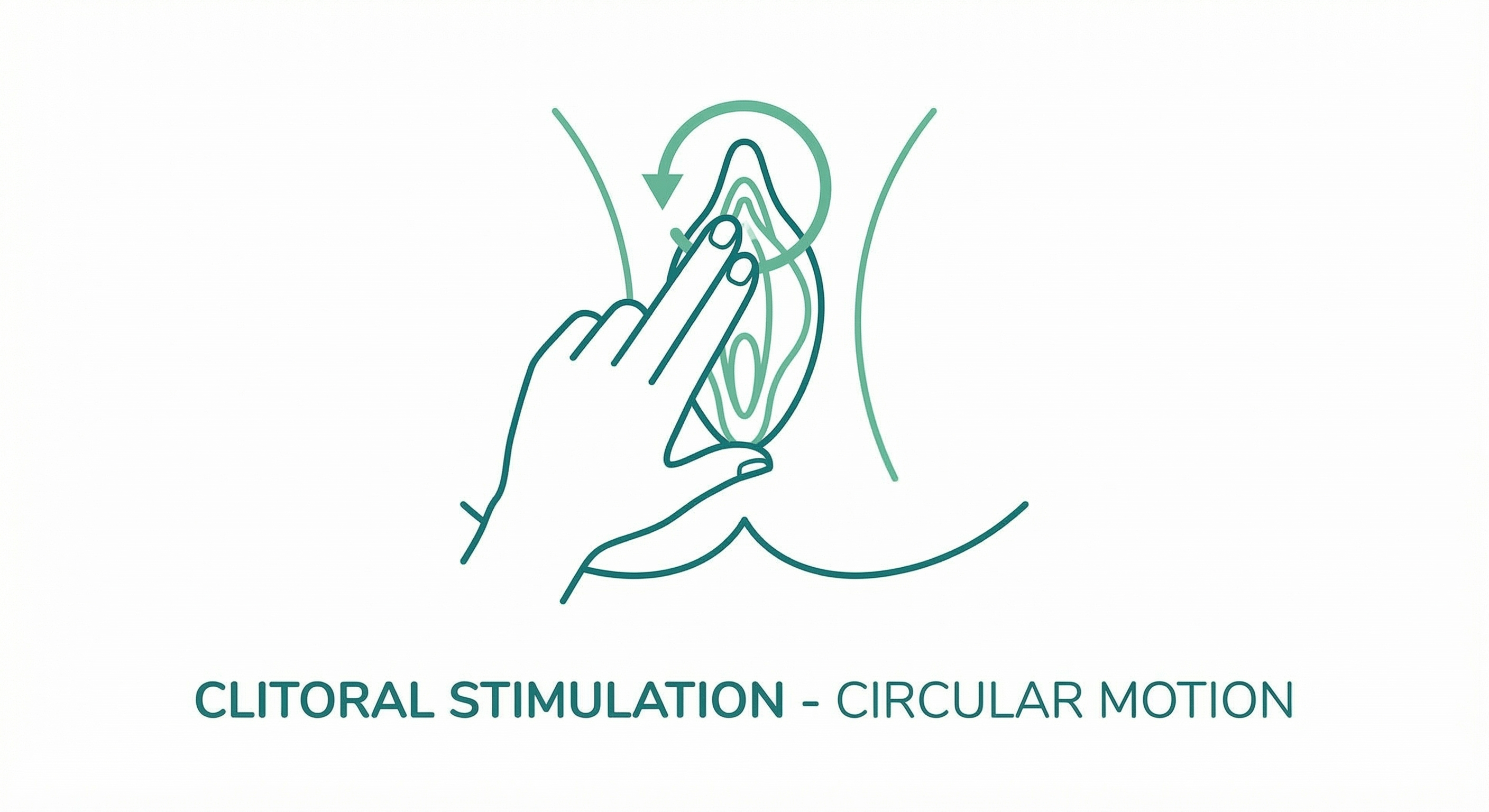
Circular motion on or around the clitoris
- The clitoris has ~8,000 nerve endings - your primary pleasure organ
- Use one or two fingers on or around the clitoris
- Circular motions are most common, but try different patterns
- Start gently - direct contact may be too intense at first
- Try different pressures and speeds
Internal/Vaginal Stimulation
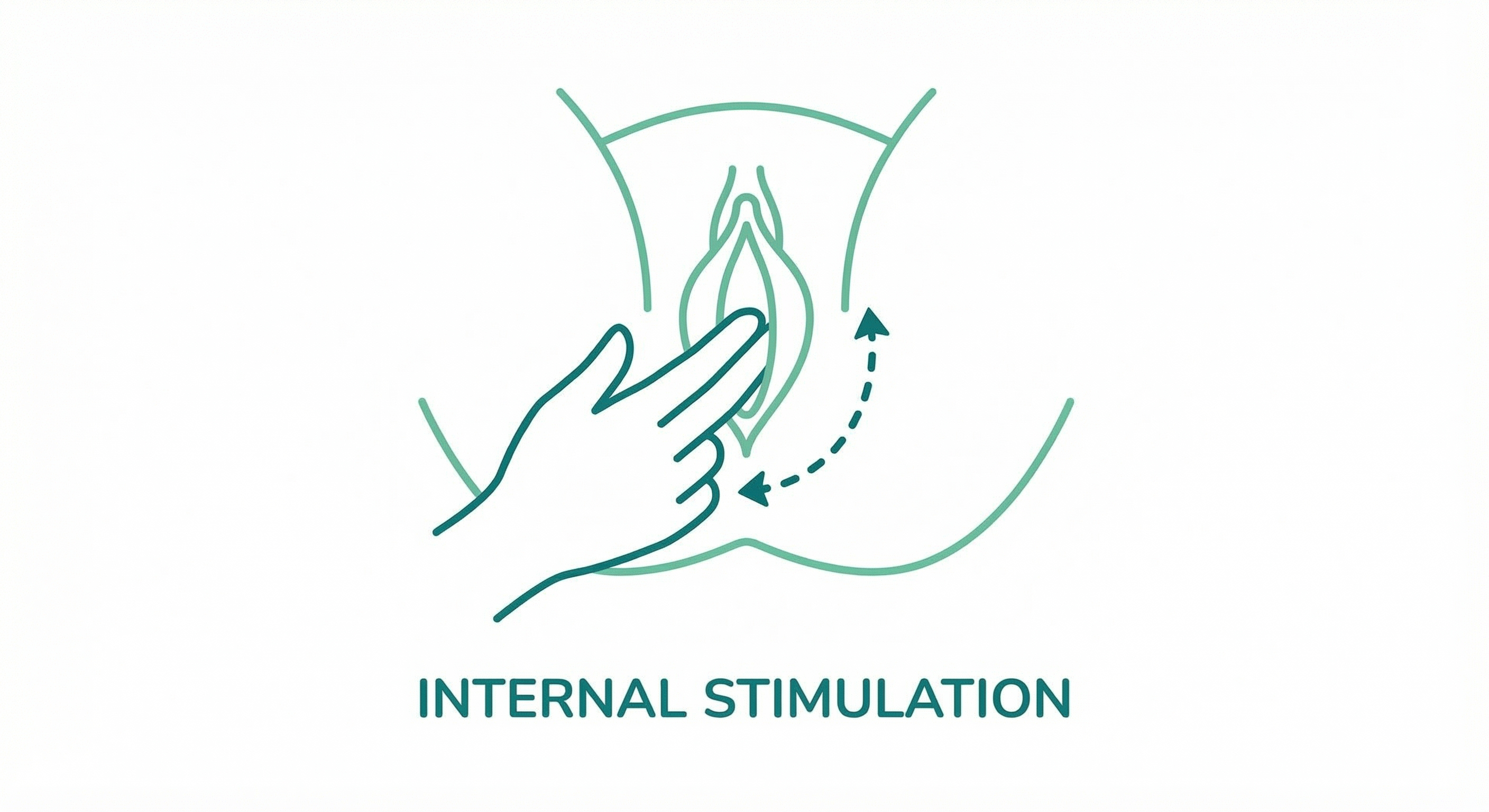
Finger insertion with in-out motion
- Insert one or two fingers into the vagina
- Move in and out, or try circular motions
- Many women enjoy this combined with clitoral stimulation
- The first 2-3 inches have the most nerve endings
G-Spot Stimulation
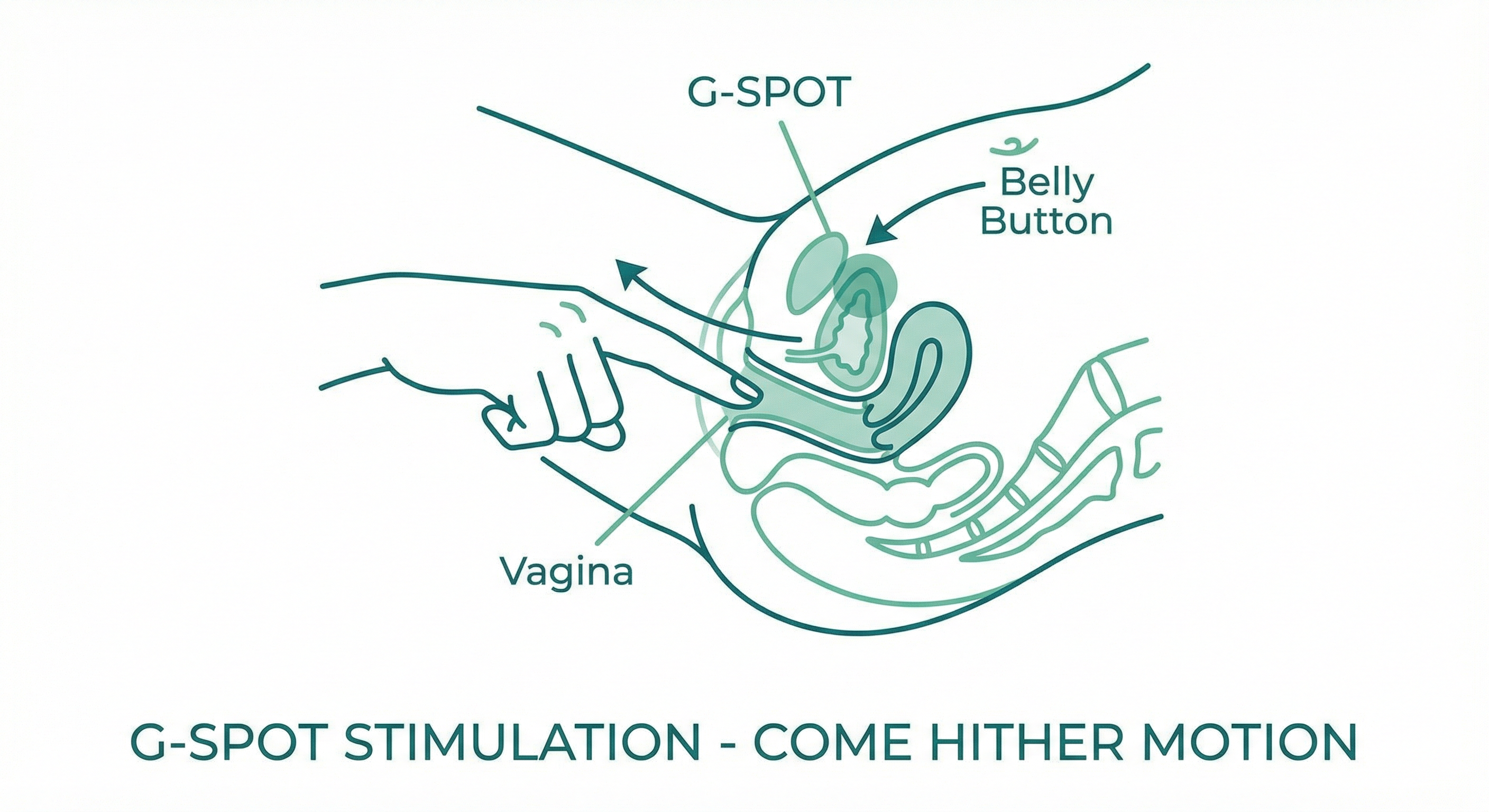
"Come hither" motion toward the front wall
- Located on the front vaginal wall (toward belly button)
- About 2-3 inches inside, feels slightly ridged
- Use a "come hither" curling motion with finger(s)
- Not everyone finds this pleasurable - that's normal
Using Vibrators
- Clitoral vibrators: Provide consistent stimulation
- Internal vibrators: For vaginal or G-spot stimulation
- Combination toys: Stimulate both areas
- Won't "desensitize" you permanently (any effect is temporary)
- Use water-based lubricant with silicone toys
Full Grip Technique
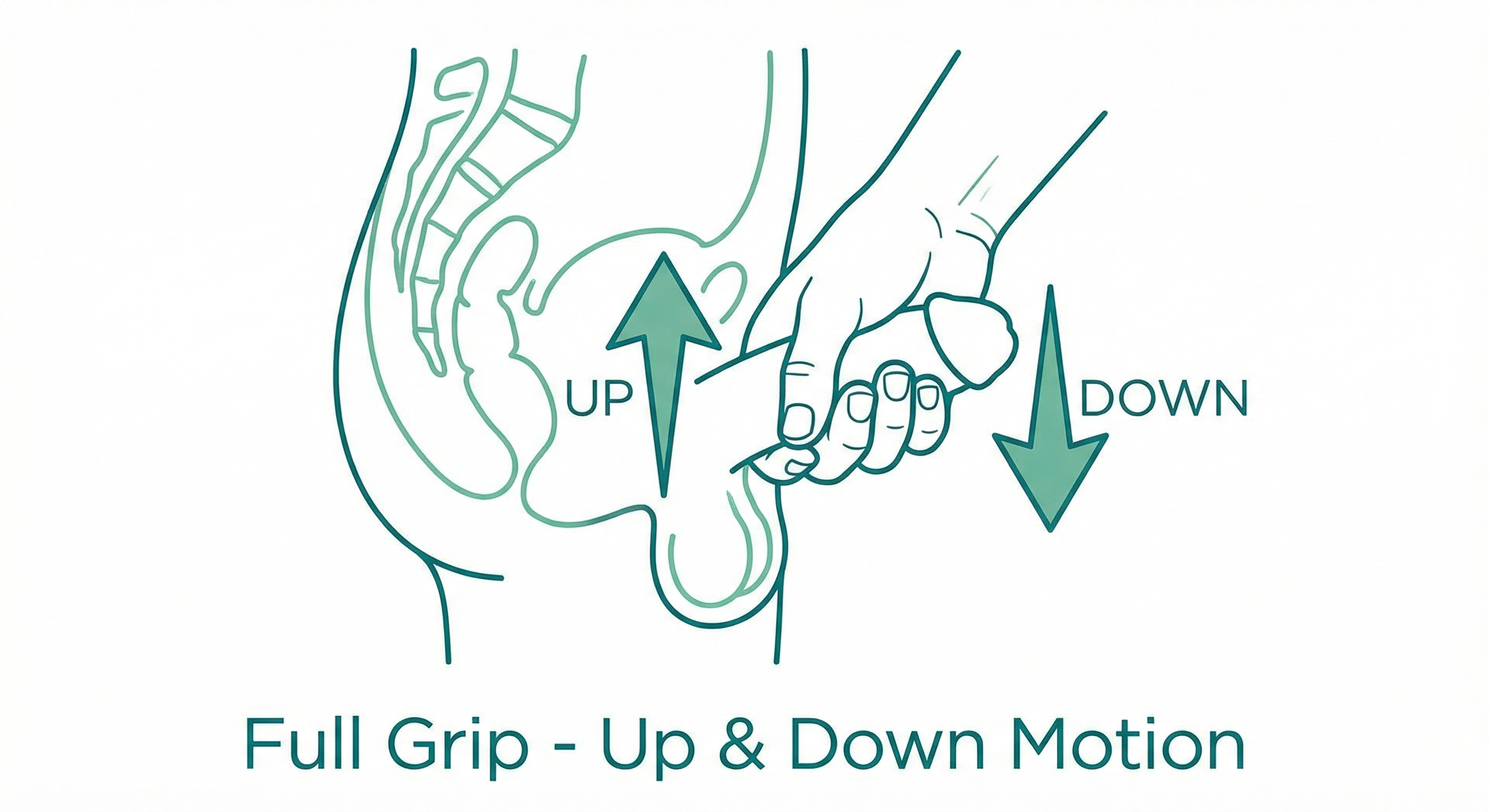
Full hand grip with up-and-down motion
- Wrap entire hand around the shaft
- Move hand up and down in a stroking motion
- Vary speed and pressure to find what feels best
- Can twist slightly while stroking
Ring Grip
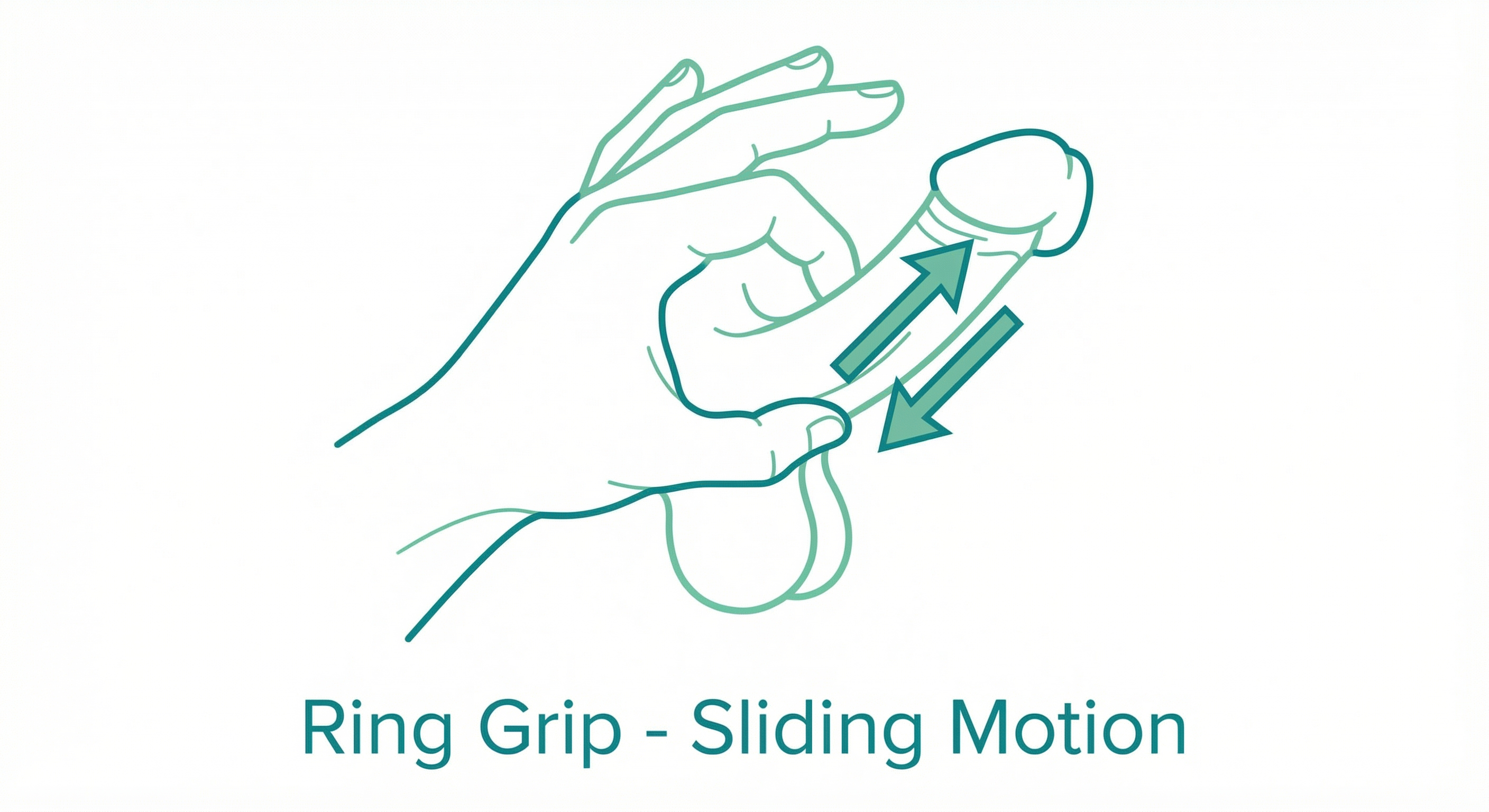
Thumb and finger ring with sliding motion
- Form an "OK" sign with thumb and index finger
- Slide the ring up and down the shaft
- Lighter pressure than full grip
- Good for building up gradually
Frenulum Focus
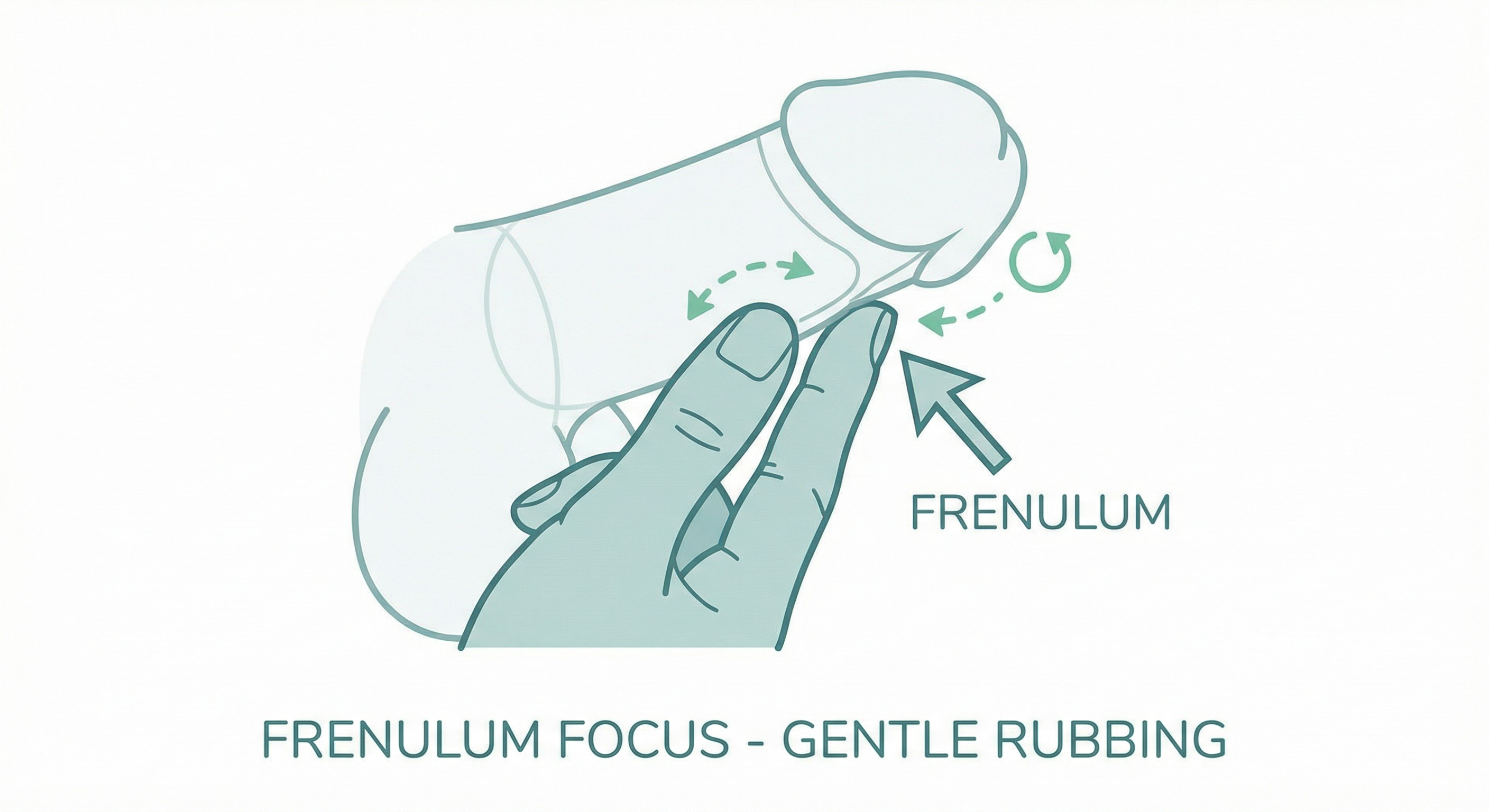
Gentle rubbing on the sensitive frenulum
- The frenulum is the V-shaped area on the underside where glans meets shaft
- Highly sensitive - can produce intense pleasure
- Use one or two fingers with gentle rubbing
Tips
- Use lubricant: Reduces friction, enhances sensation
- Vary your technique: Don't always use the same grip/speed
- Avoid "death grip": Too tight can make partnered sex less satisfying
- Edge: Stop before orgasm, build up again for intensity
How Often is Normal?
There's No "Normal" Frequency
Some people masturbate multiple times daily, others once a week, others rarely or never. All are normal as long as it's not causing problems in your life.
It's a Concern Only If:
- It interferes with daily responsibilities (work, relationships)
- It causes physical injury (too rough, too frequent)
- You can't enjoy partnered sex
- It feels compulsive and causes distress
- It's your only coping mechanism for stress
Perfectly Normal:
- Masturbating while in a relationship
- Frequency changing based on stress, mood, hormones
- Using toys or just hands
- Taking a long time or finishing quickly
- Not always reaching orgasm
Tips for a Better Experience
Environment
- Privacy: Ensure you won't be interrupted
- Comfort: Comfortable position, clean space
- Time: Don't rush - give yourself enough time
- Relaxation: Harder to enjoy if stressed or tense
Physical
- Clean hands: Wash before (especially before vaginal contact)
- Lubricant: Reduces friction, increases sensation
- Explore: Try different techniques, speeds, pressures
- Whole body: Don't just focus on genitals - explore other erogenous zones
Mental
- No pressure: Don't force yourself to orgasm - enjoy the journey
- Fantasy is okay: Mental arousal enhances physical pleasure
- No shame: It's a normal, healthy activity
- Learn yourself: This knowledge helps with partnered sex too
Masturbation & Relationships
A common misconception is that masturbation is only for single people or indicates something wrong with a relationship. This is false.
Why People in Relationships Masturbate:
- Different sex drives - one partner may want more than the other
- Partner is unavailable (travel, illness, post-pregnancy)
- Quick stress relief
- Enjoying alone time
- Exploring fantasies privately
- Maintaining sexual health
It's NOT a Sign Of:
- Dissatisfaction with partner
- Lack of attraction
- Cheating or betrayal
- Relationship problems
Mutual Masturbation
Masturbating together with a partner can be intimate, educational (showing each other what feels good), and is 100% safe from STIs and pregnancy.